01 / 15
Making Visible Extracted Lithospheric Layers: A Story Set in Stone
2026
Exhibition, installation and fieldwork
Master diploma, Bergen School of Architecture
We build for a short time in things that have existed for a very long time.
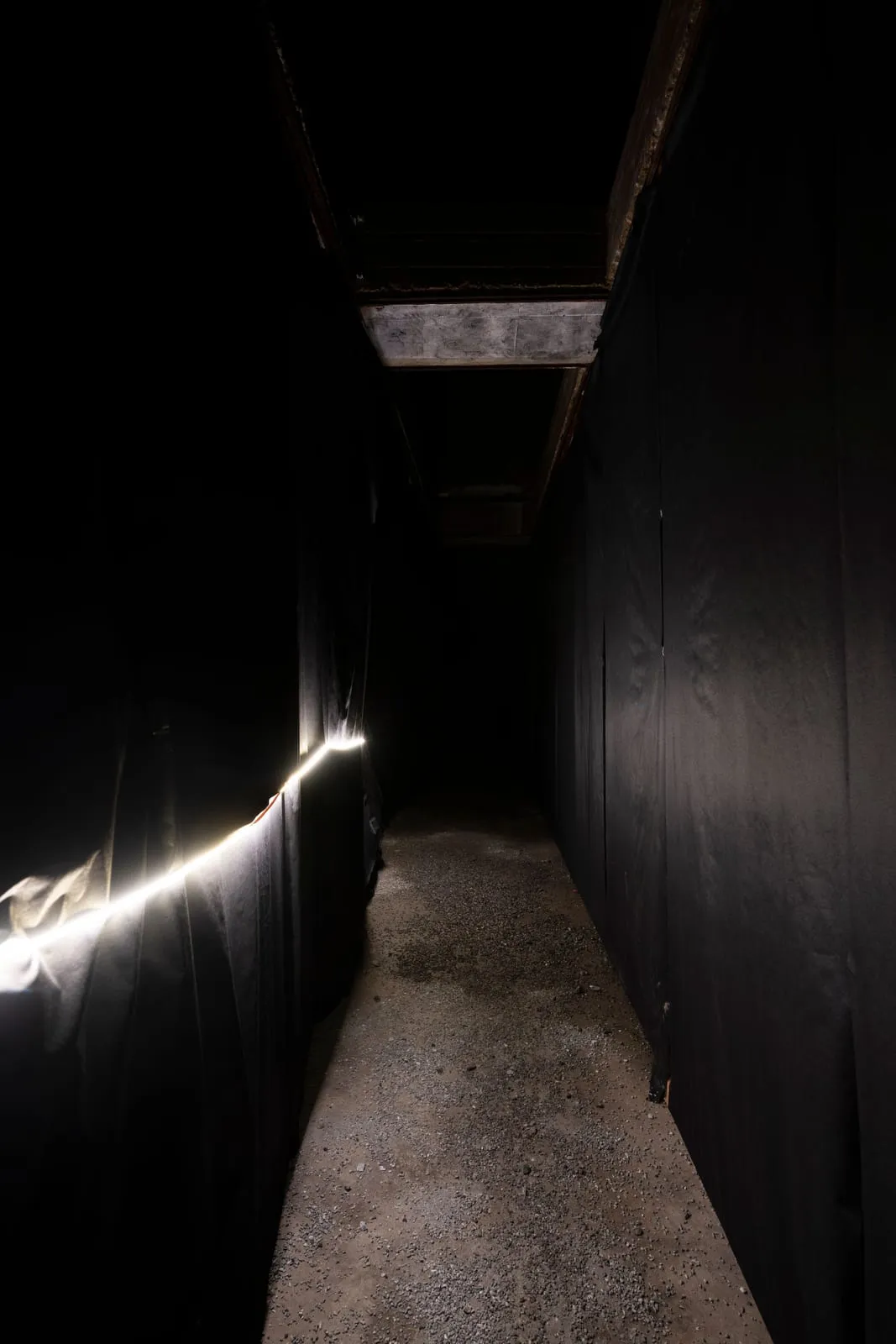
This exhibition investigates the relationship between architecture, infrastructure and the geological ground they depend on.
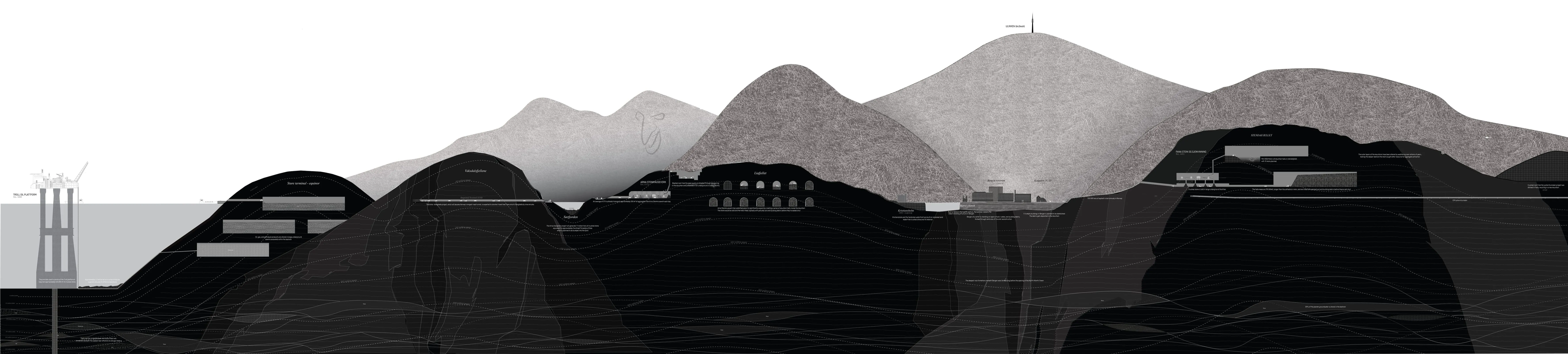
It begins beneath the city. Here, the ground is not an empty surface beneath architecture, but a layered and active territory: tunnels, foundations, excavations, deposits, infrastructures and traces of previous interventions accumulate within it. Moving from the urban underground towards the mountain, the project follows these layers outward, from the spaces we construct below the city to the geological matter from which many of them are made.
At the mountain, the scale of intervention changes. Roads and infrastructure require rock to be cut, drilled, removed and displaced. Ancient geological formations become construction material, while the infrastructures built from them may exist for only a fraction of their geological timescale.
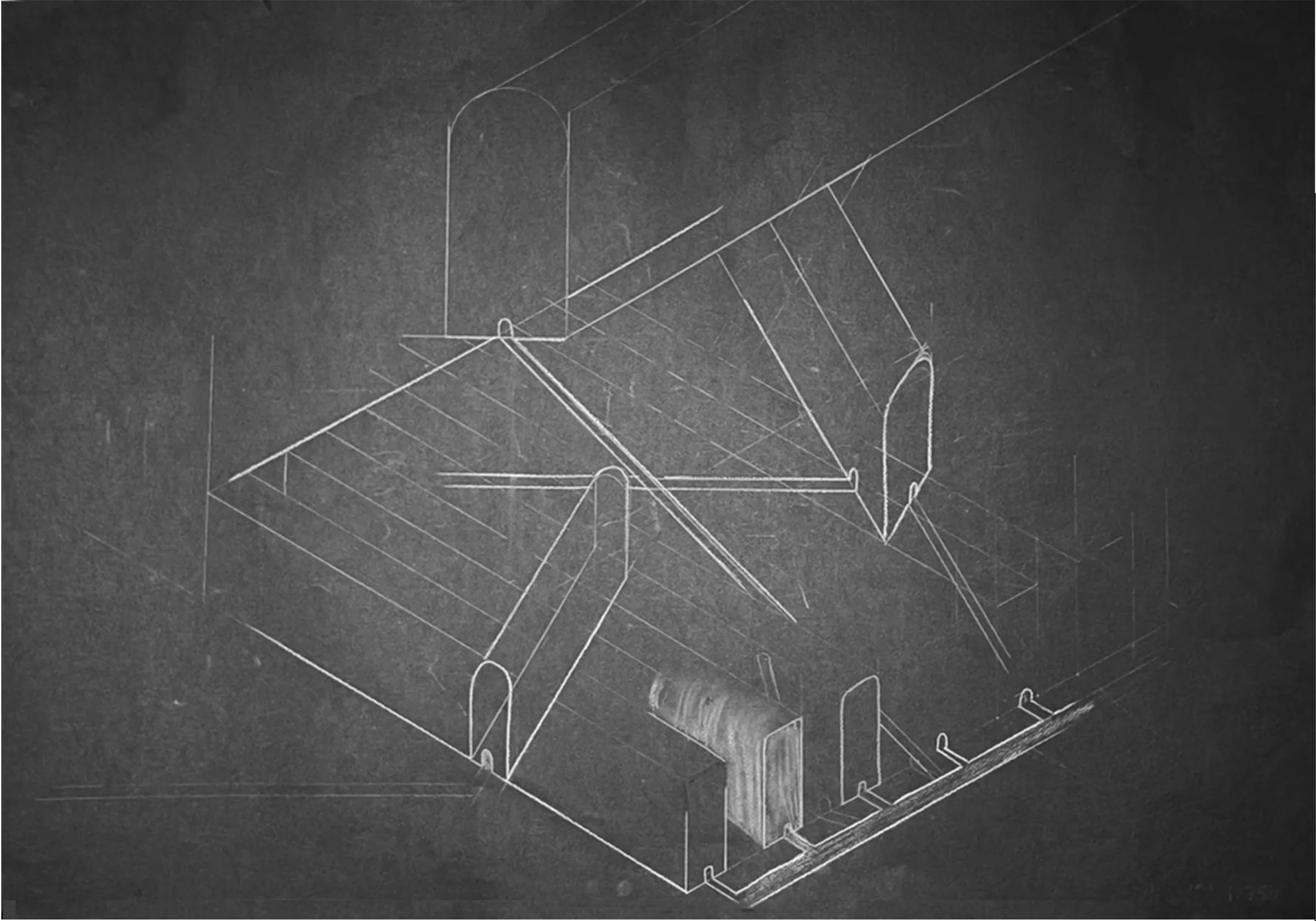
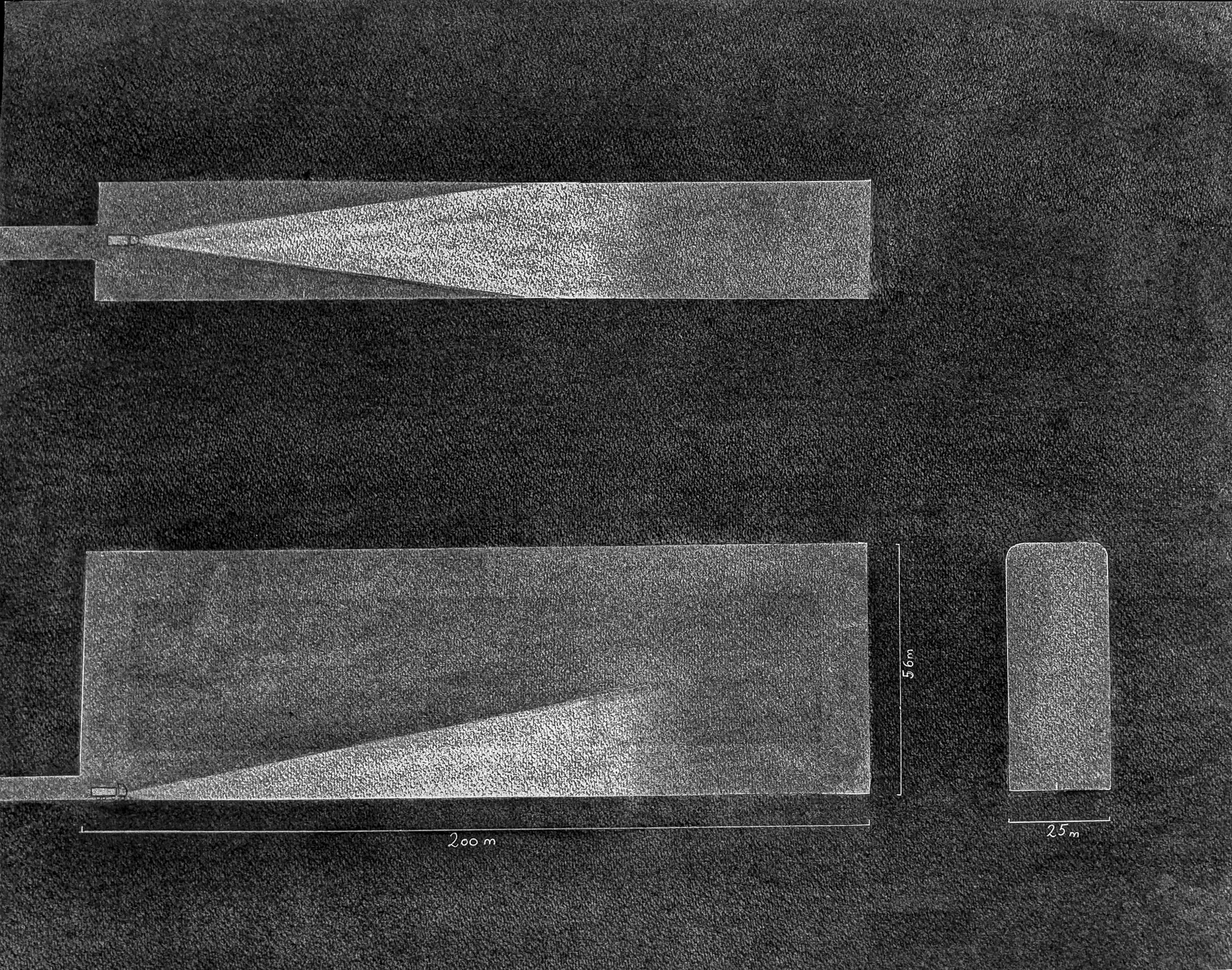
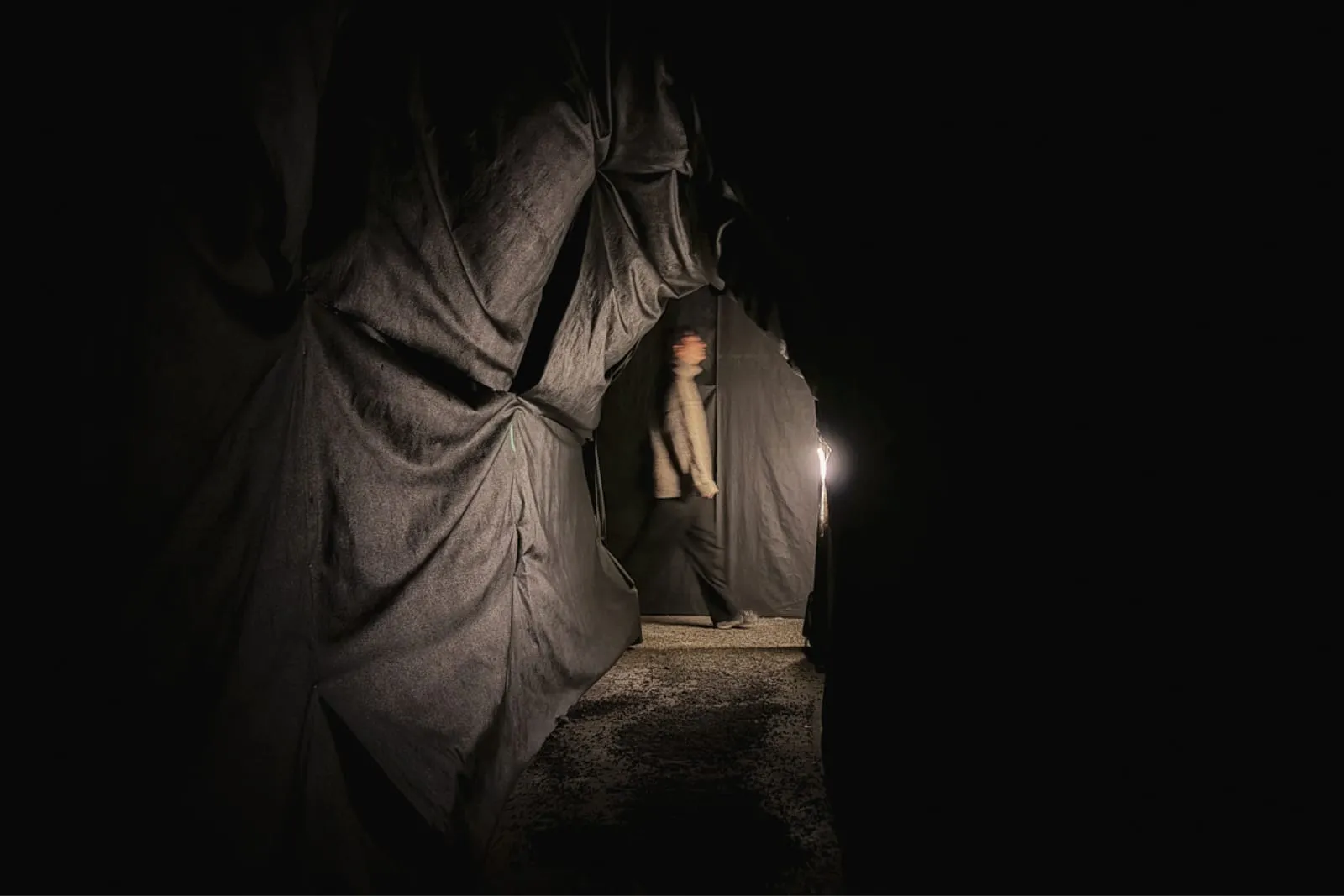
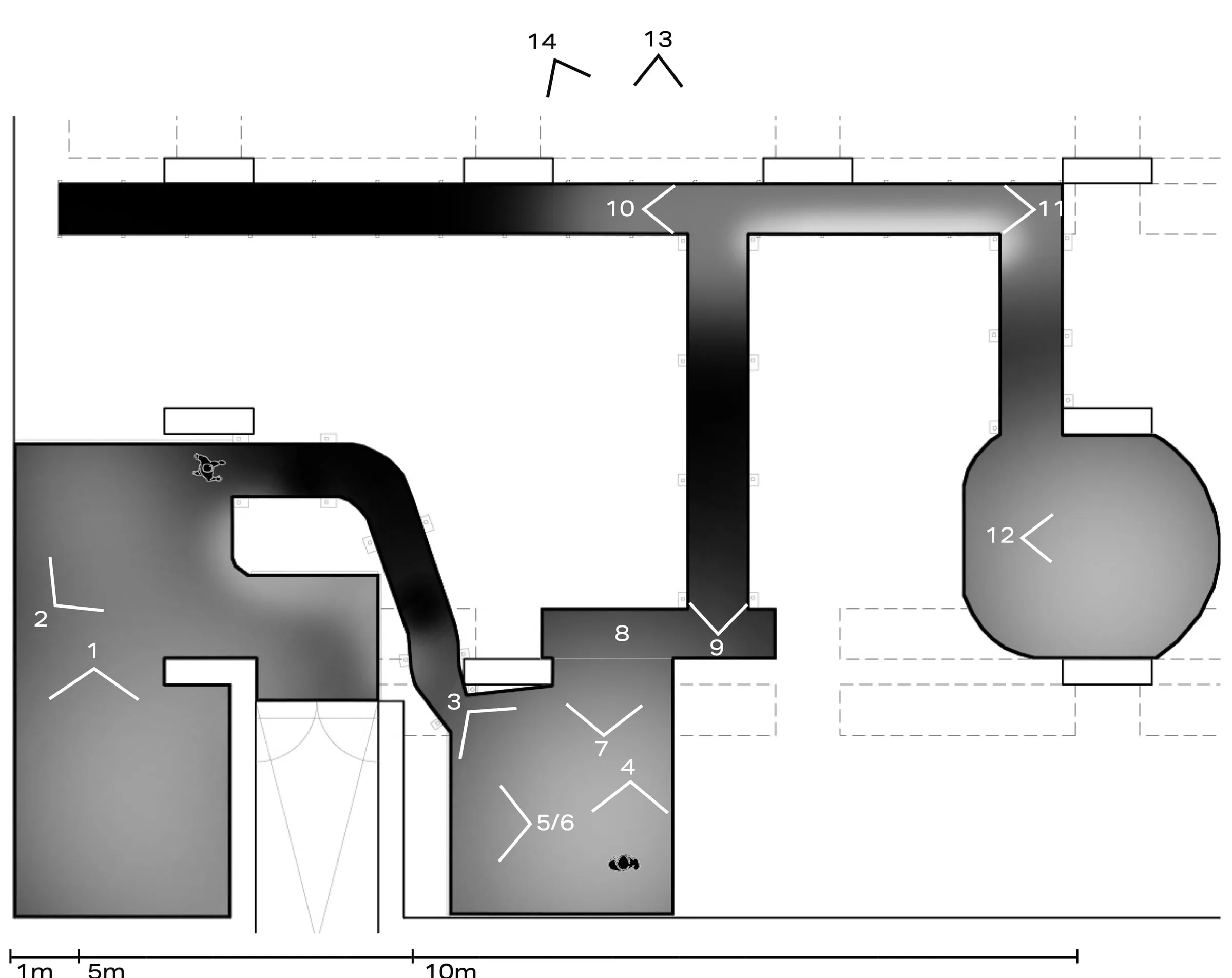
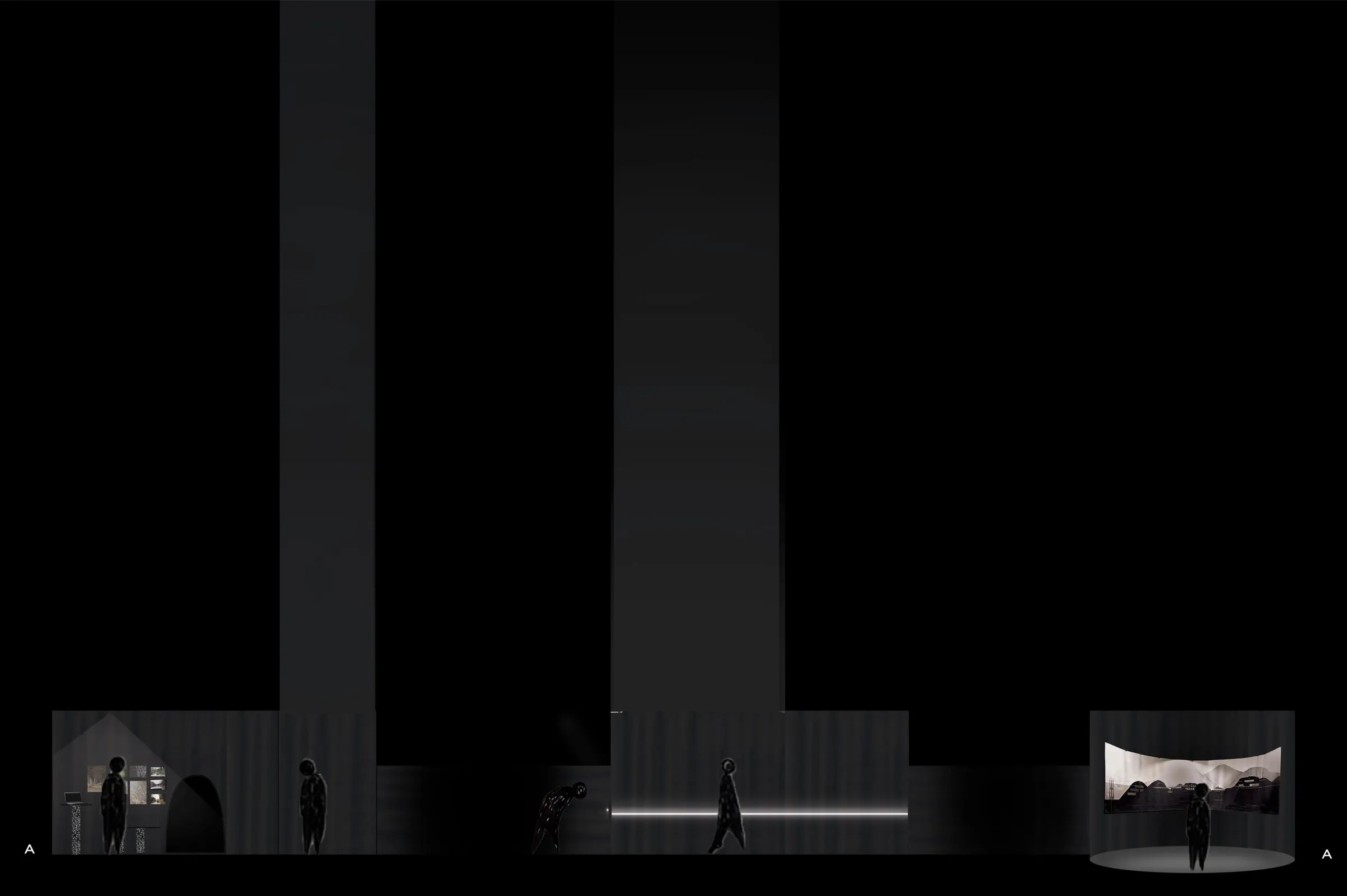
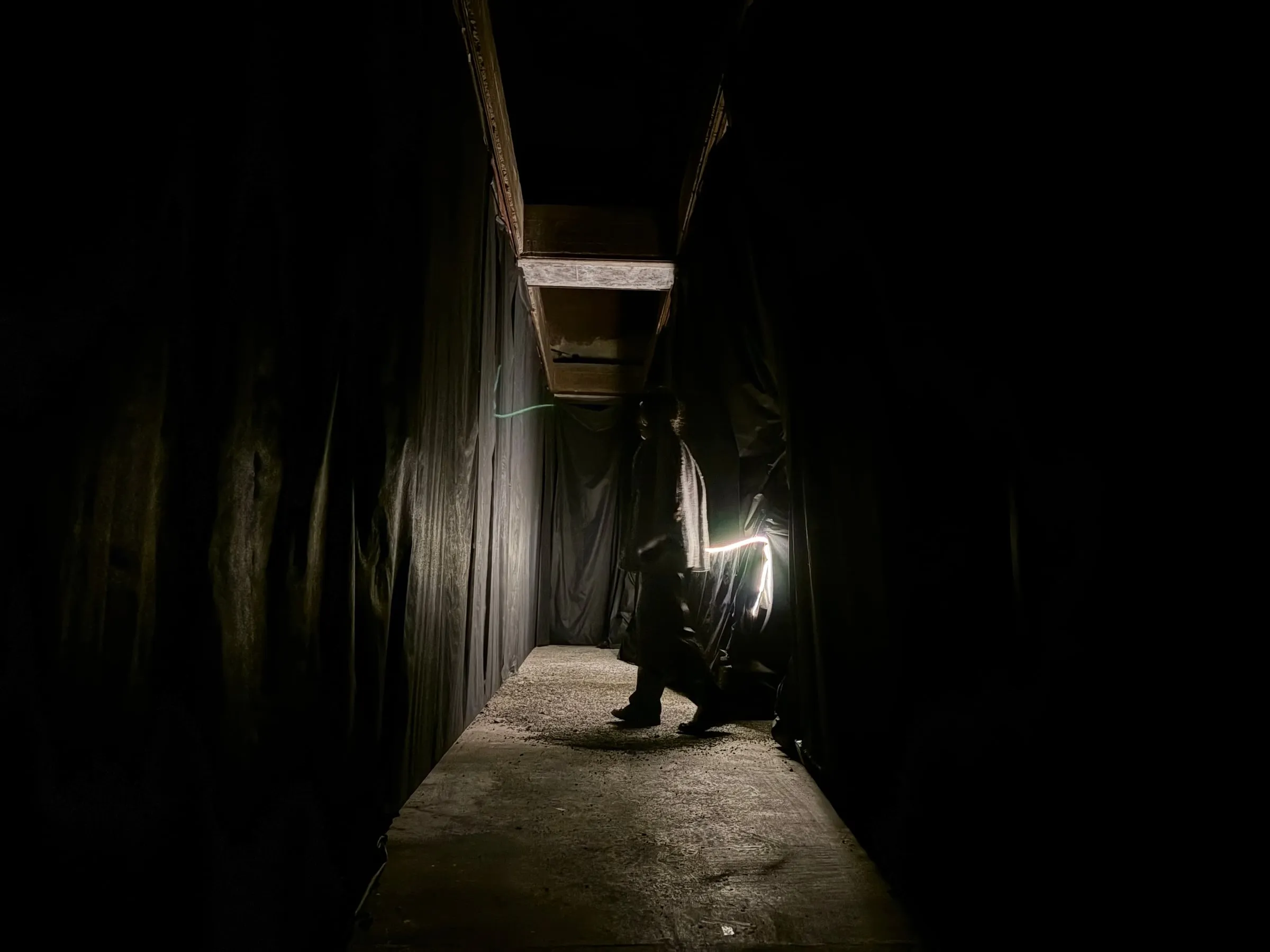
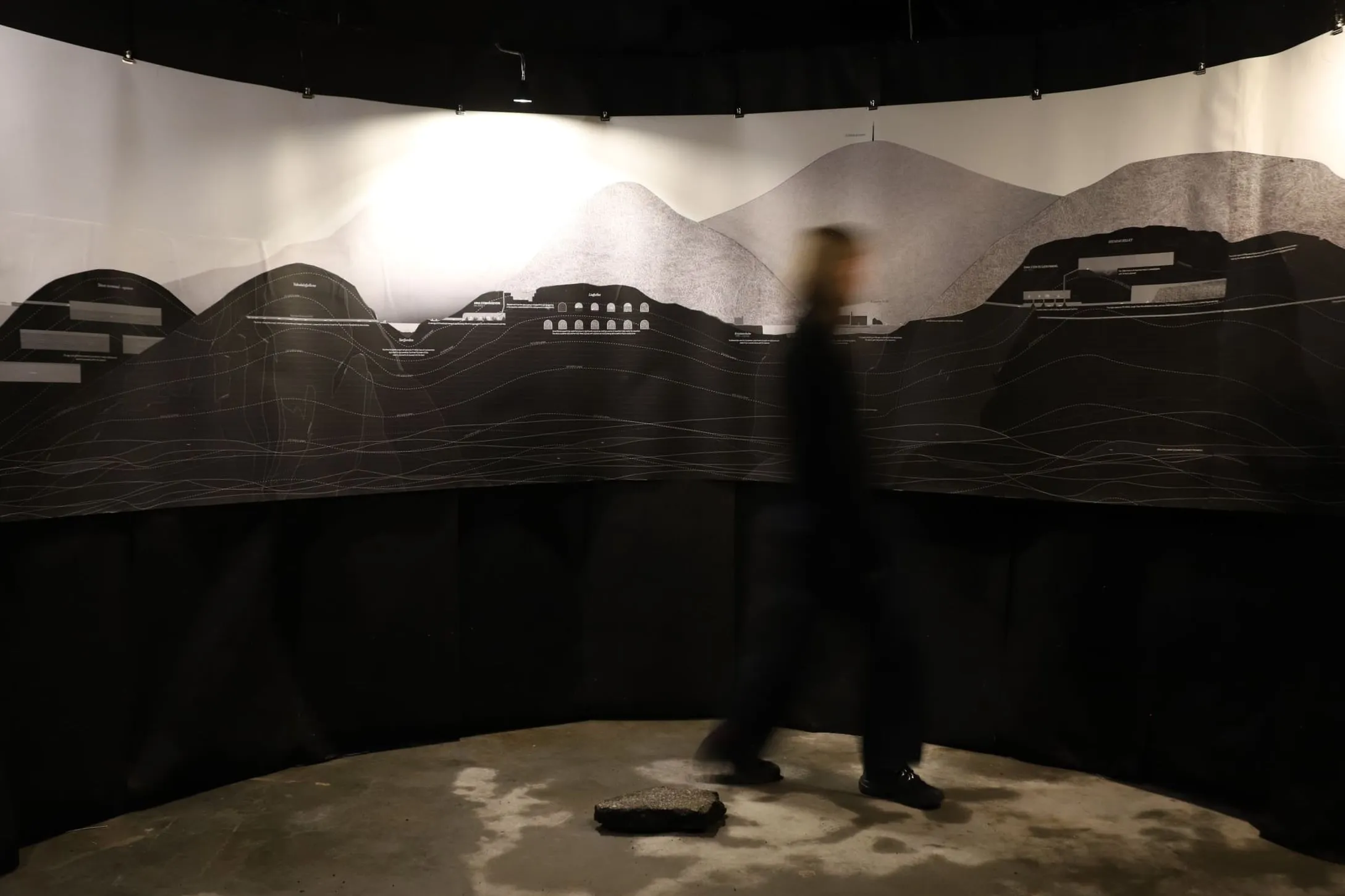
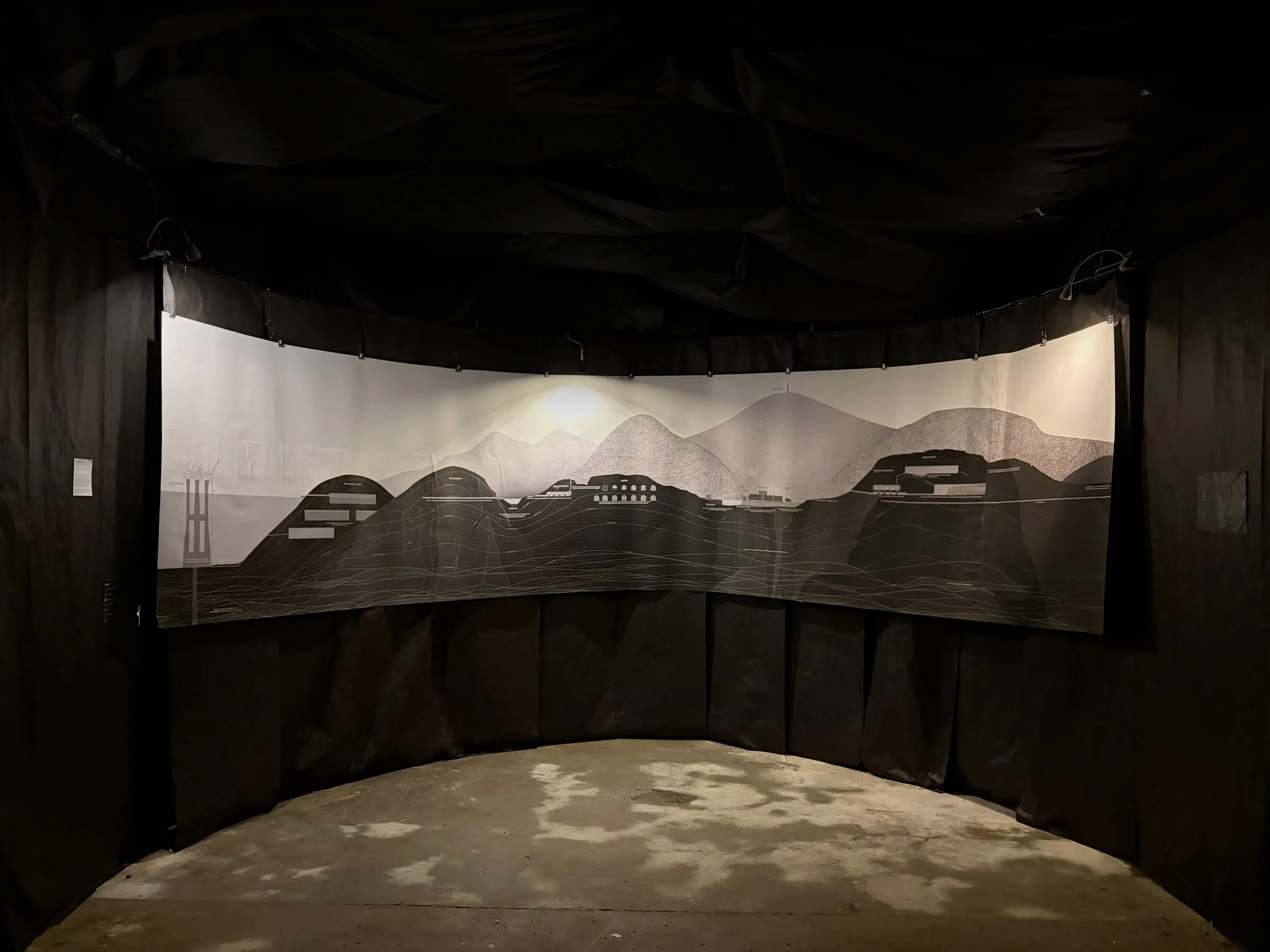
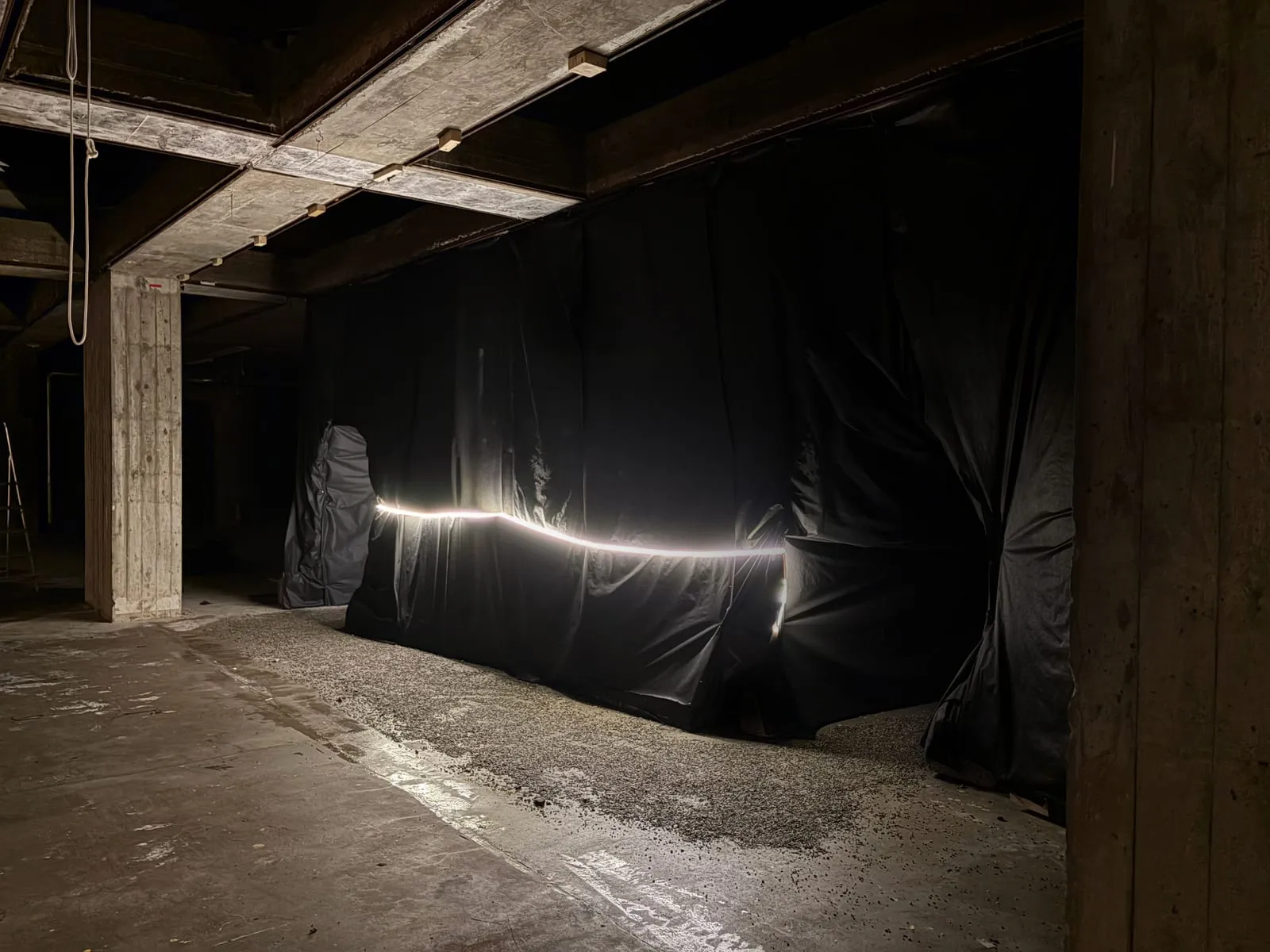
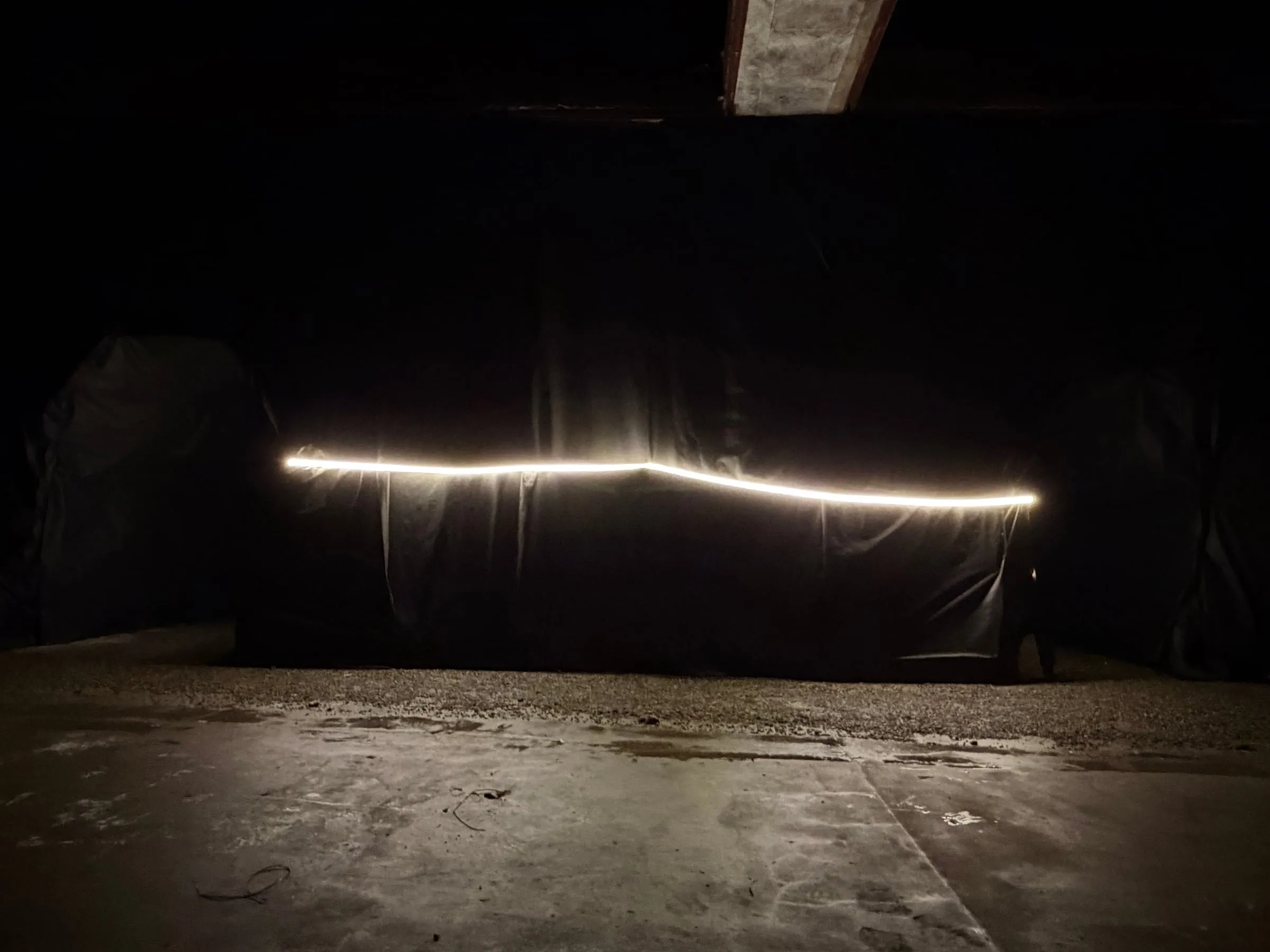
The exhibition brings these relationships together through a large scale drawing, a spatial installation and a collection of material and visual research. Rather than presenting a single architectural proposal, the work assembles fragments, cases and processes to reveal the material and temporal systems that architecture participates in but rarely represents.
The project asks what happens when architecture is considered not only as what is built, but as a process of intervention into an already existing world, and what it means to make such interventions visible.
 Play
Play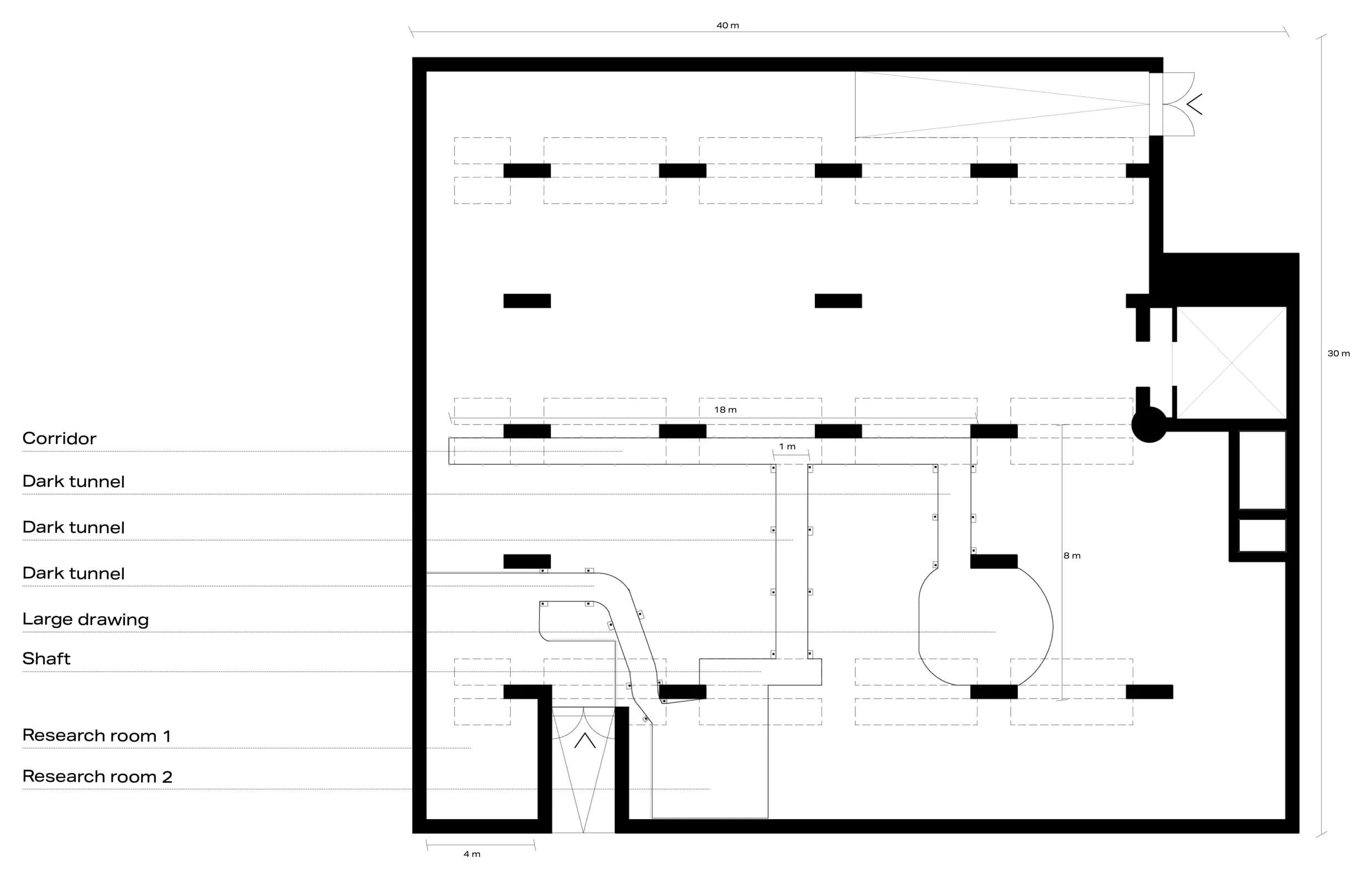
Exhibition
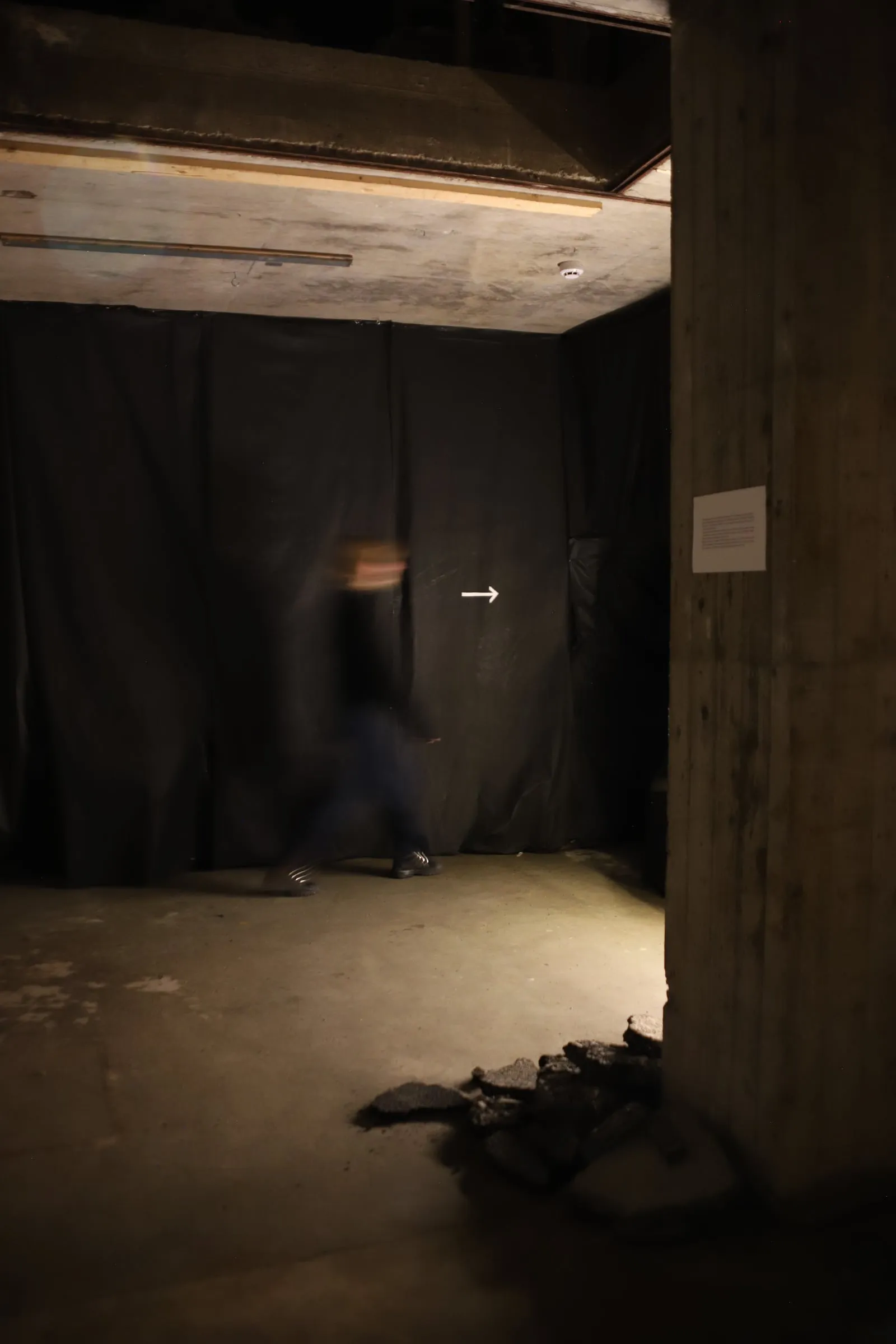
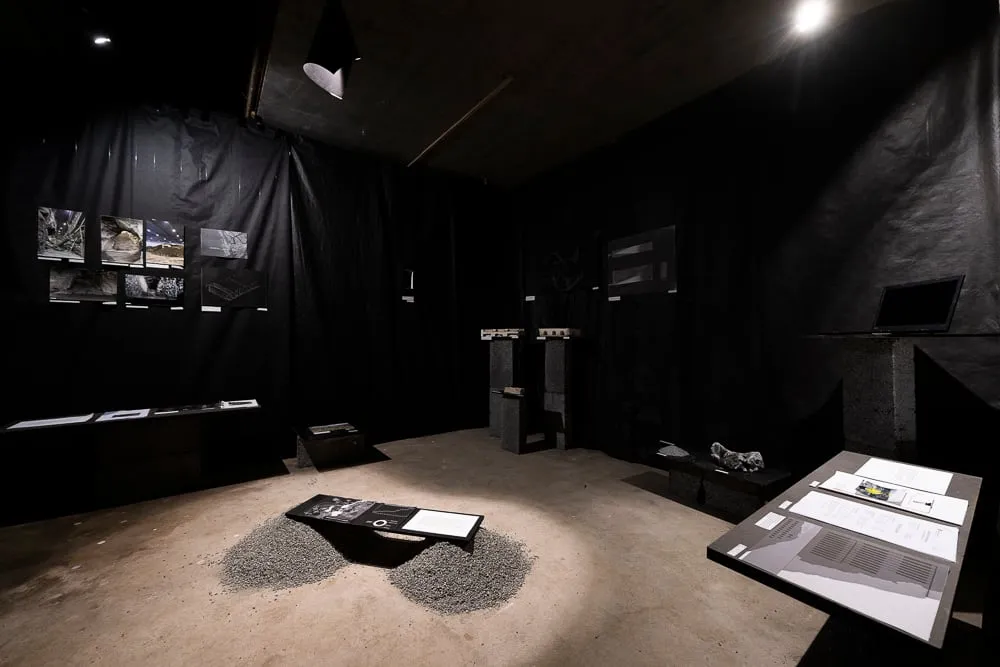
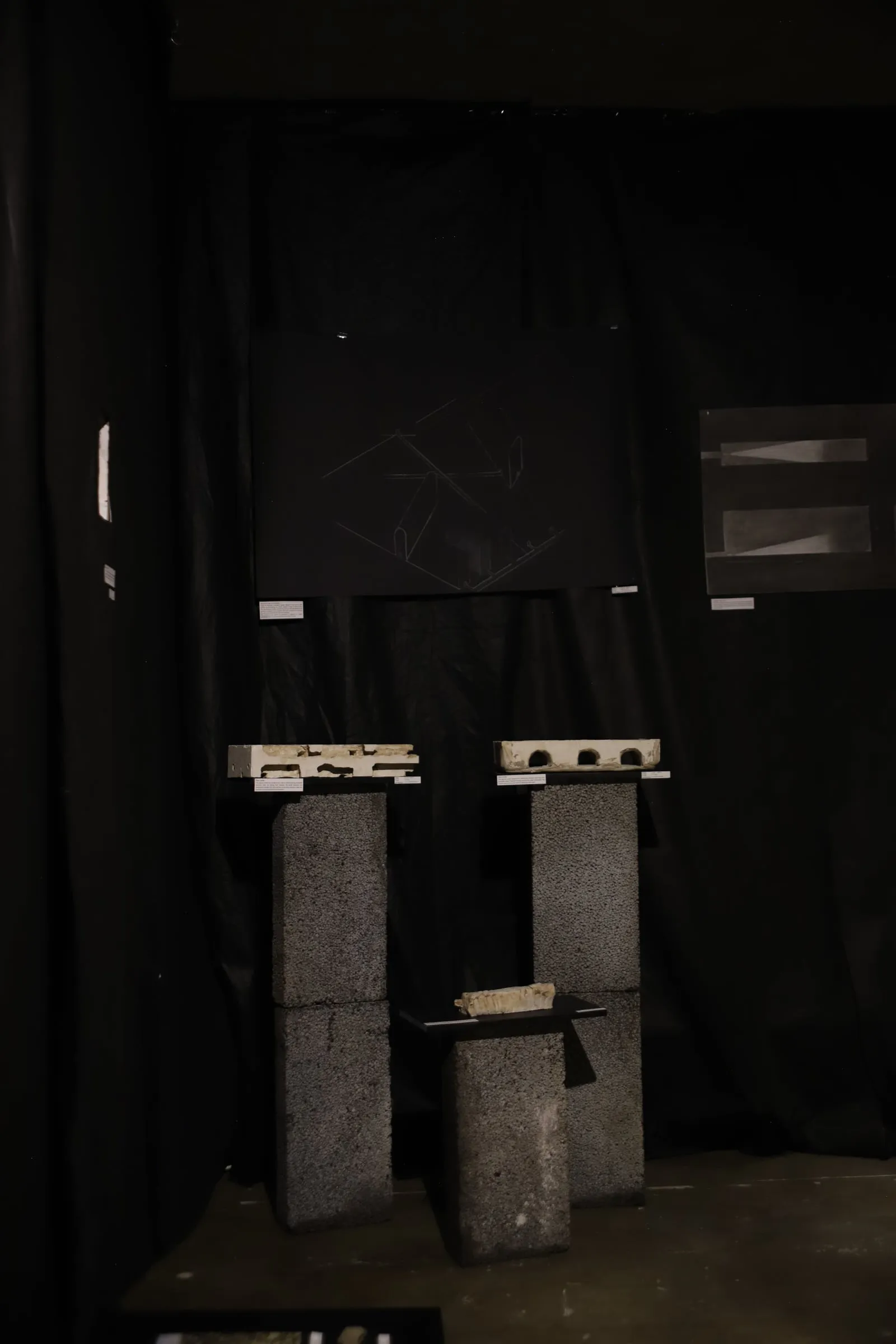
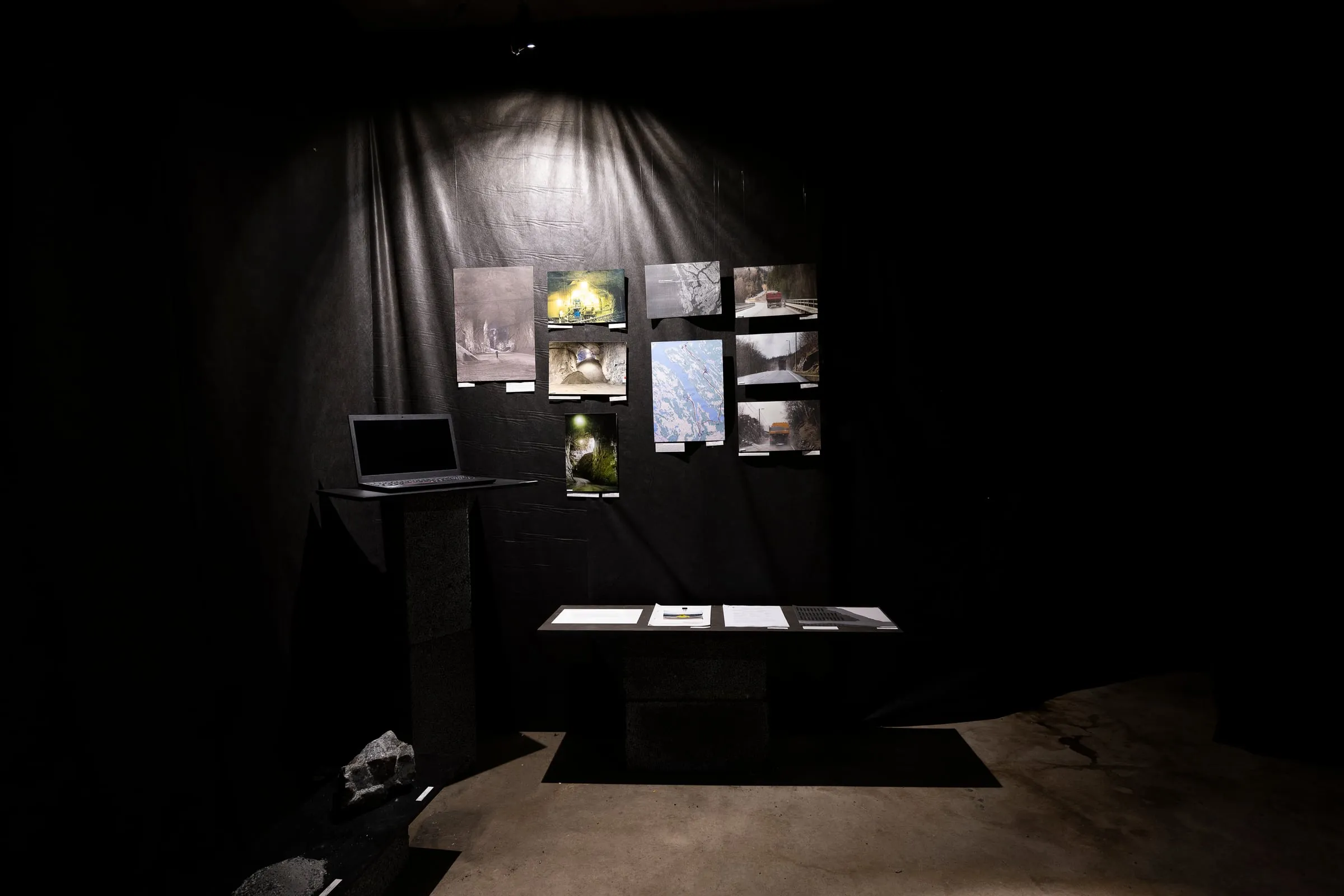
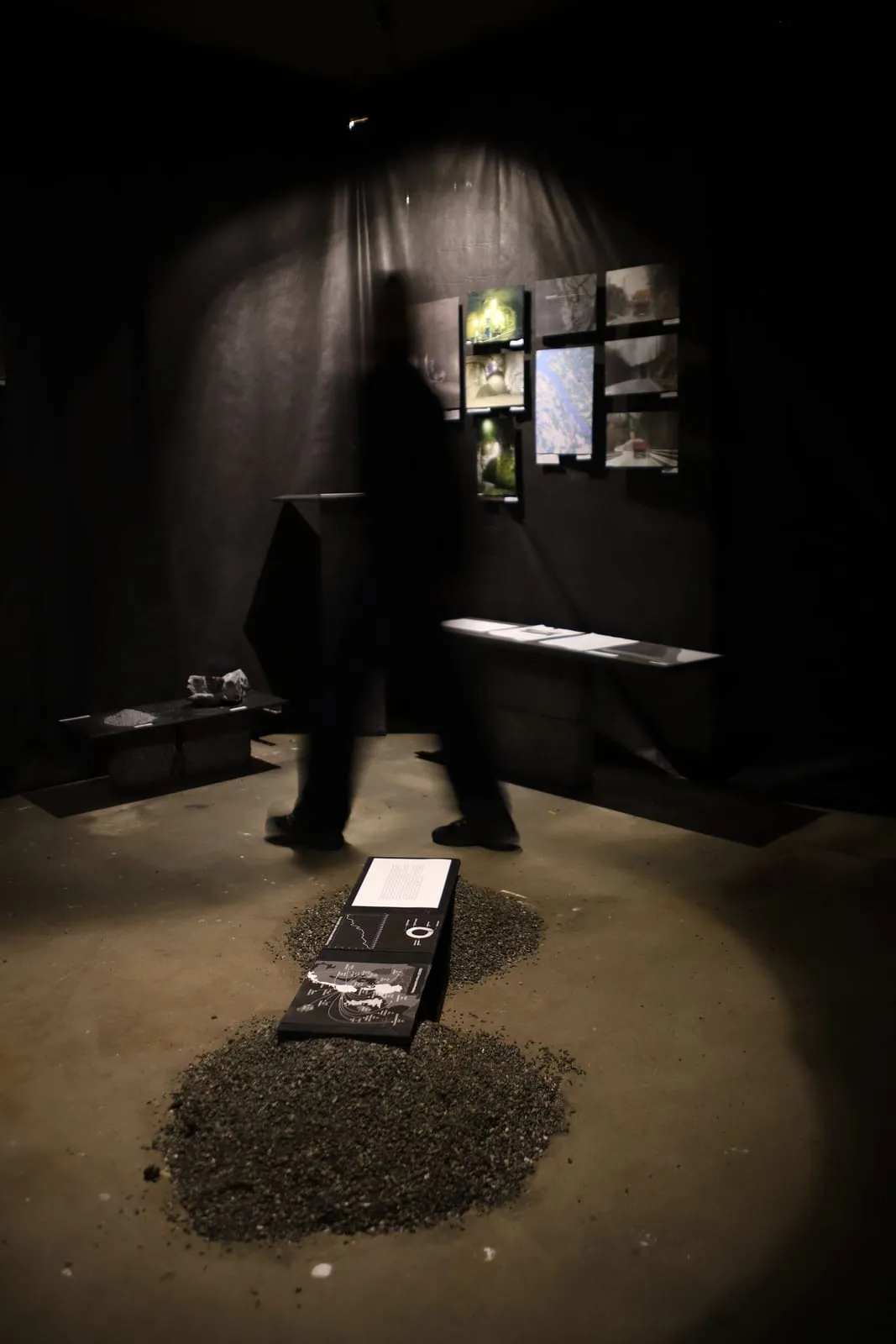
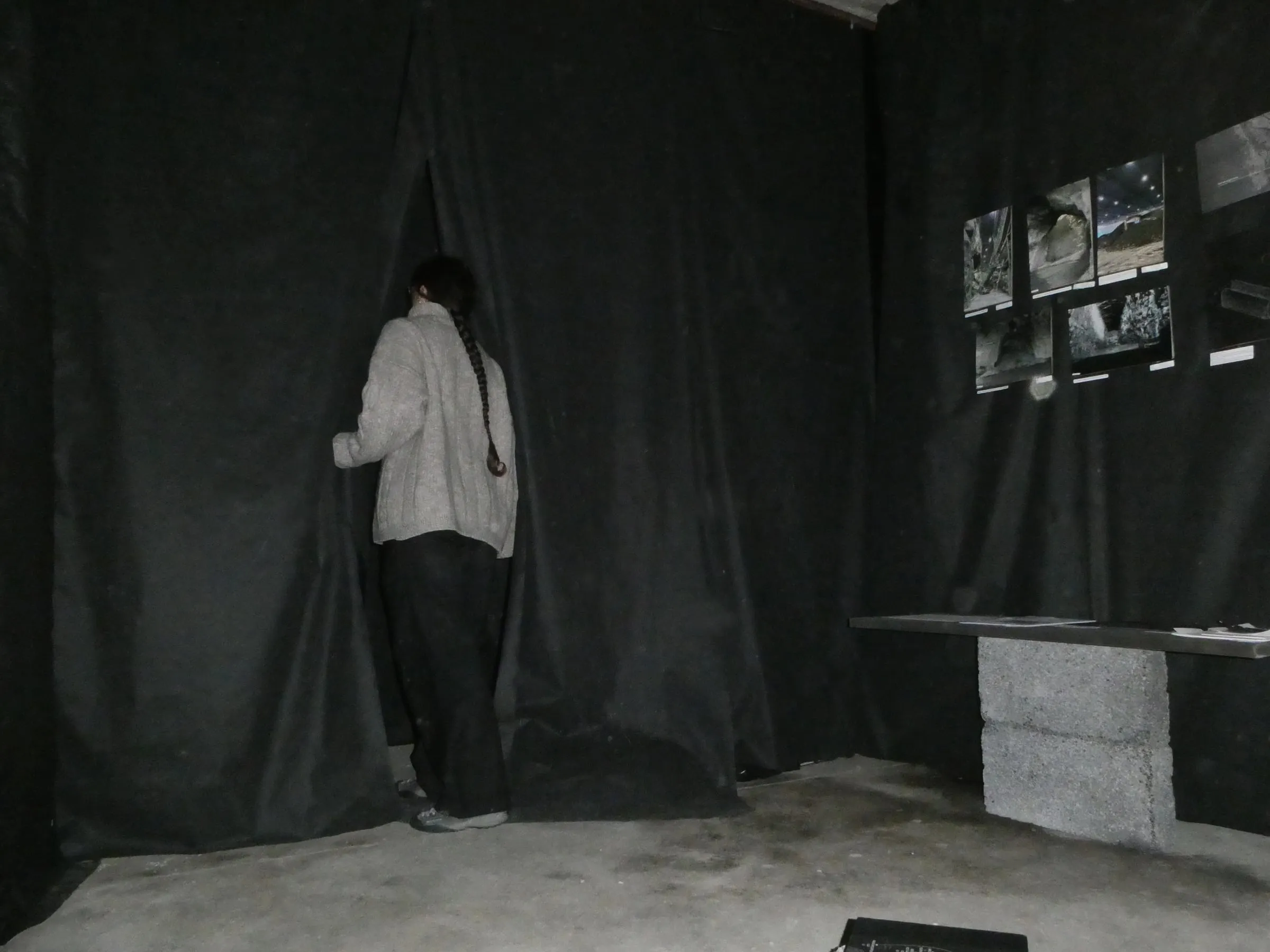
Research
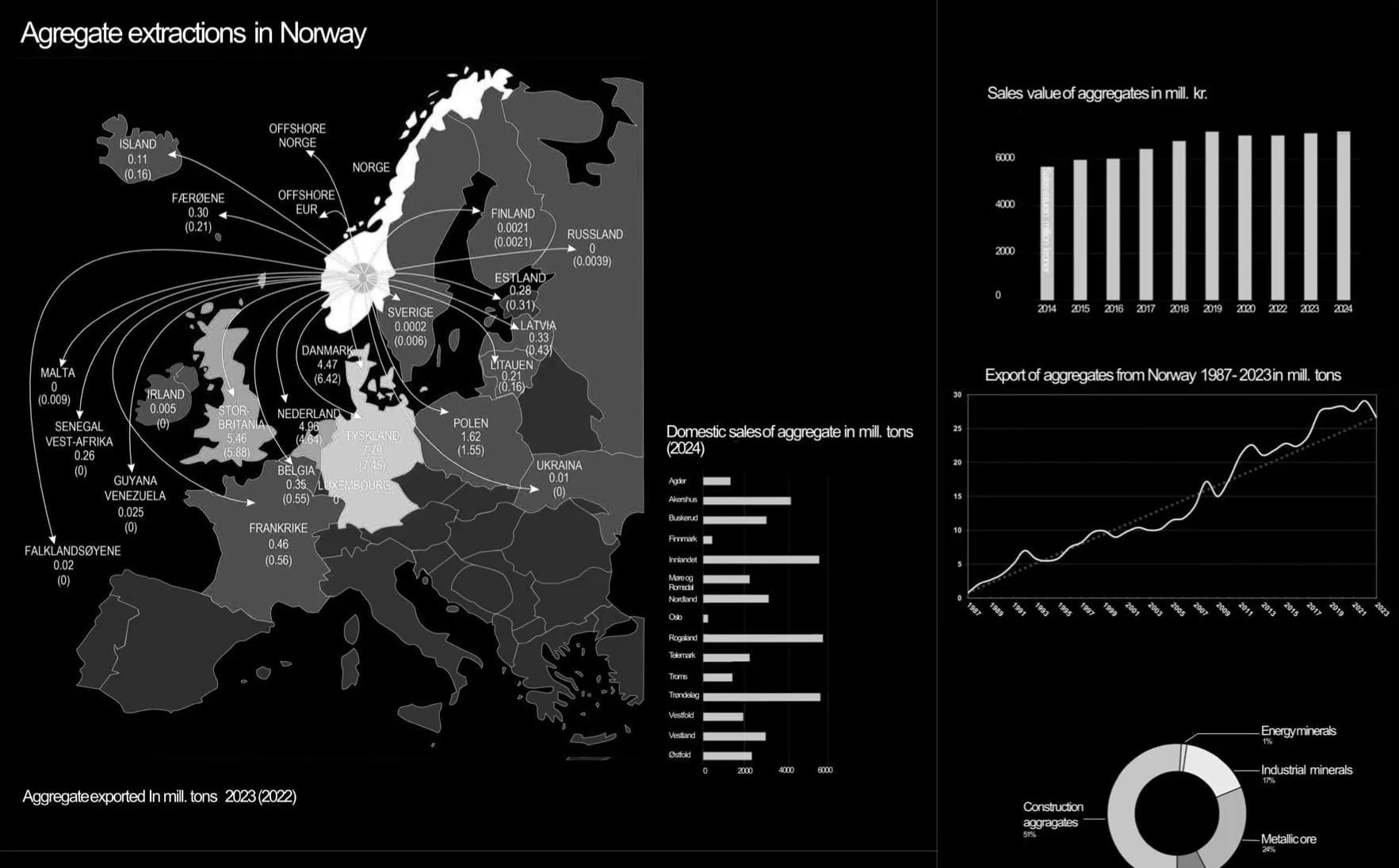
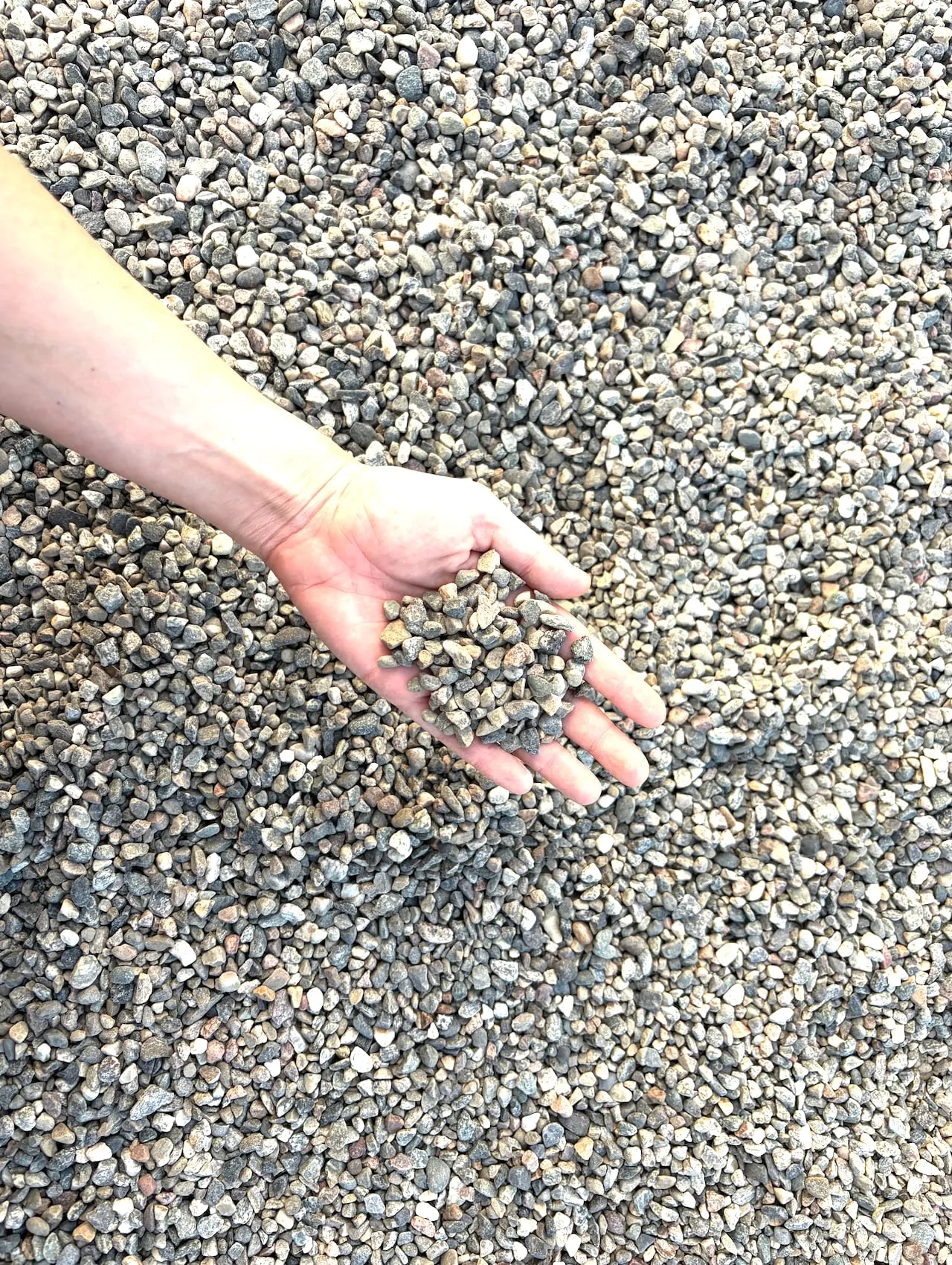
Stone is one of the most basic materials of the built environment. Crushed into aggregate, it becomes the roads we travel on, the concrete we build with and the foundations under buildings. In Norway, more than 200 quarries extract, crush, sort and send it across the country, and it is now Norway's largest mineral export. At the same time, every road, tunnel and building digs rock out of the ground and carries it somewhere else.
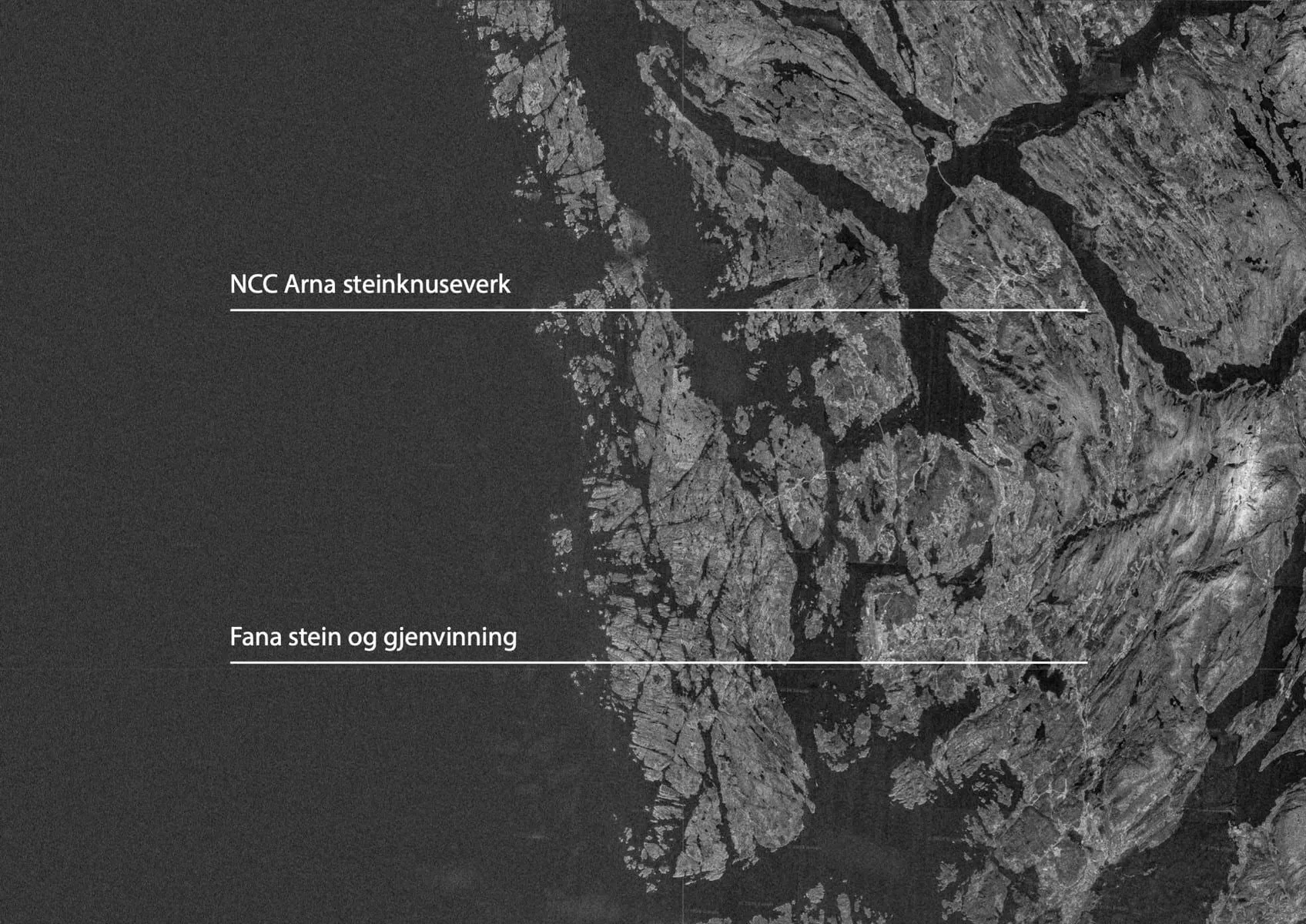
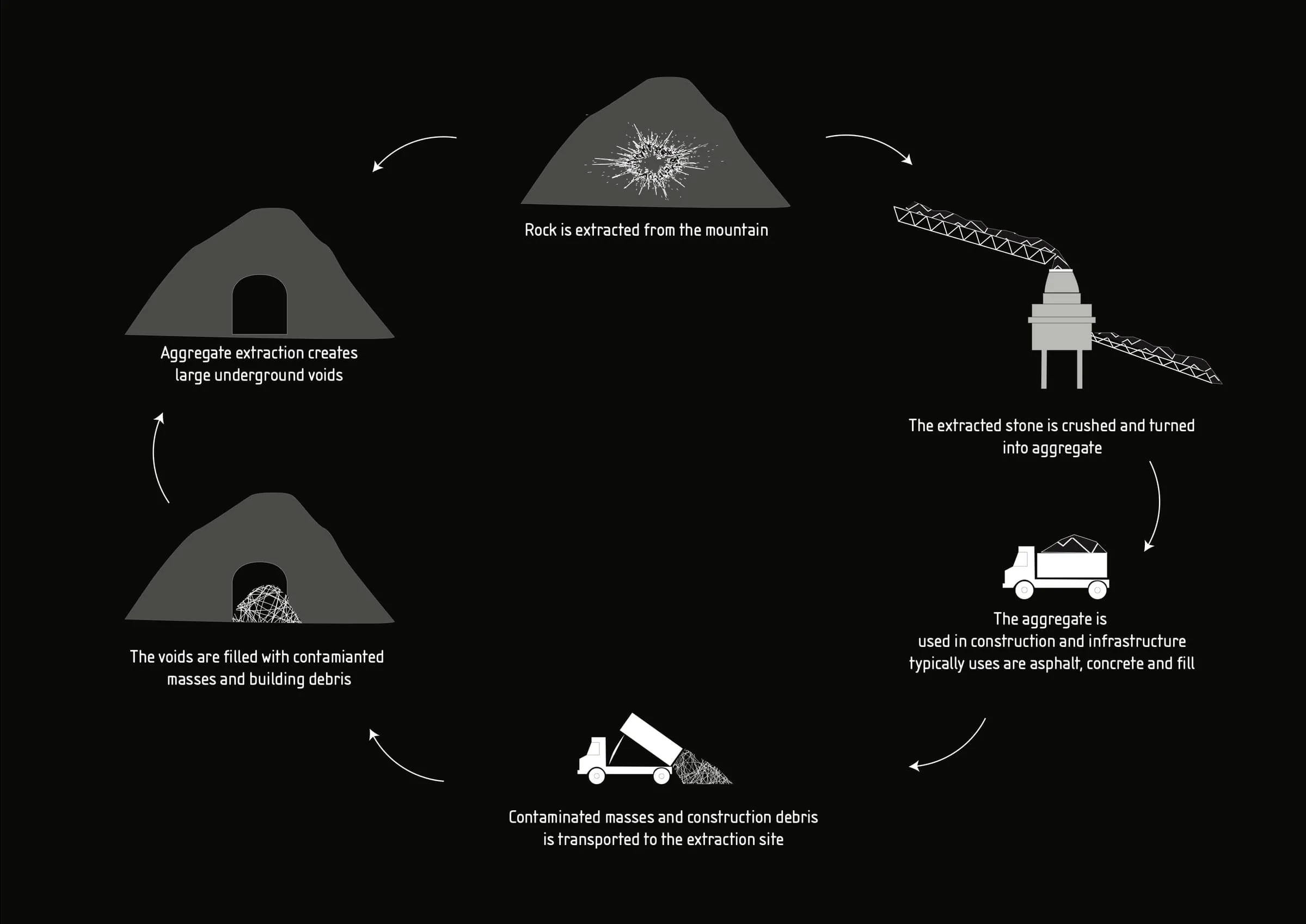
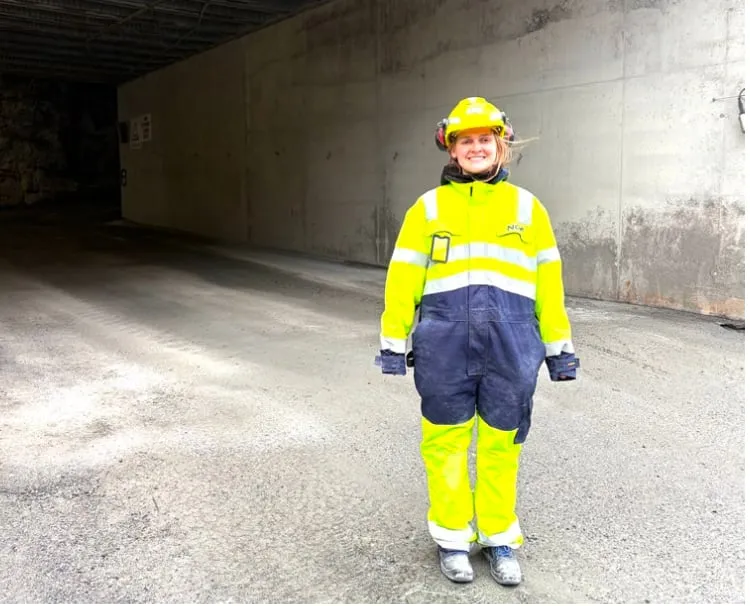
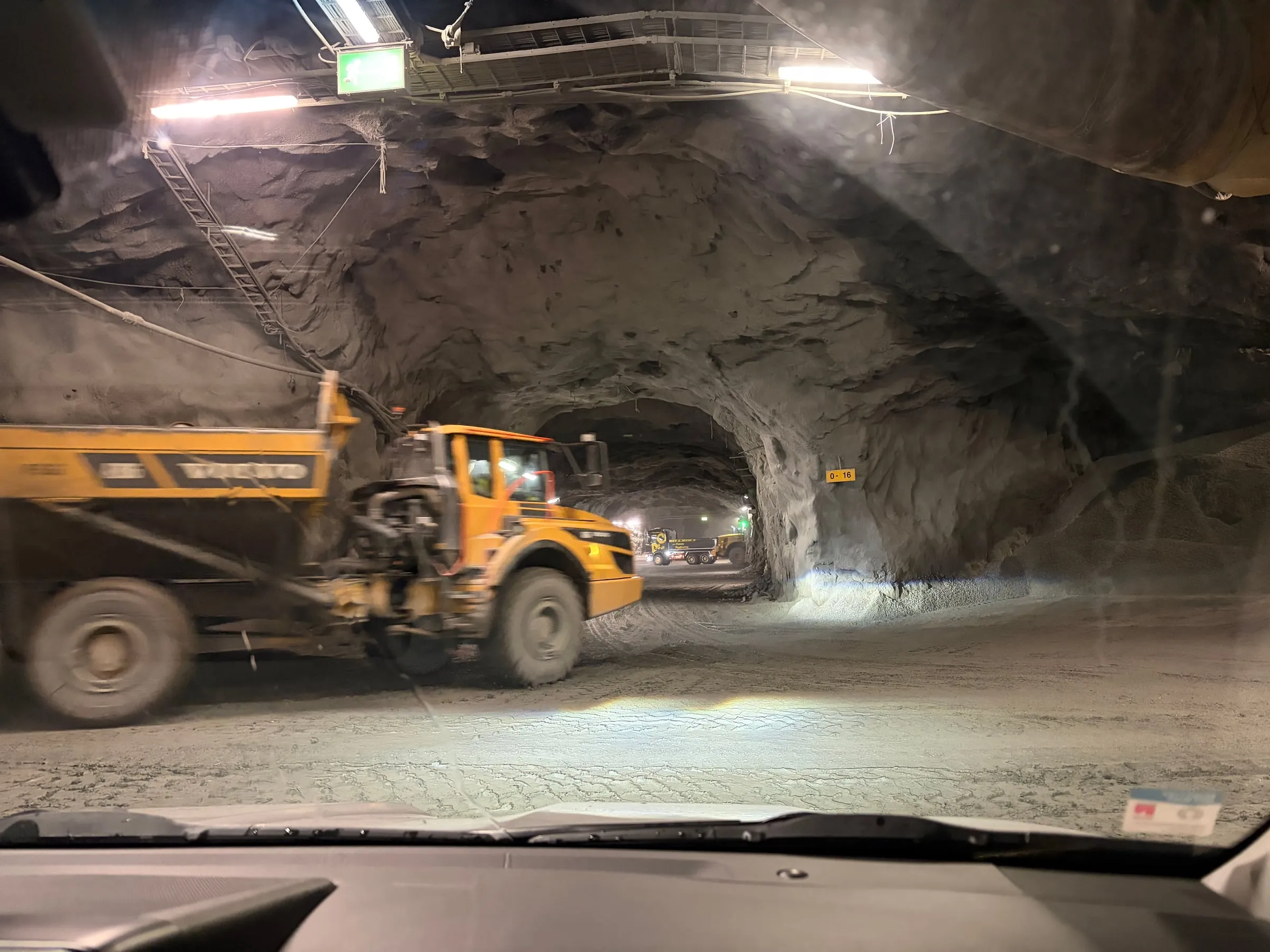
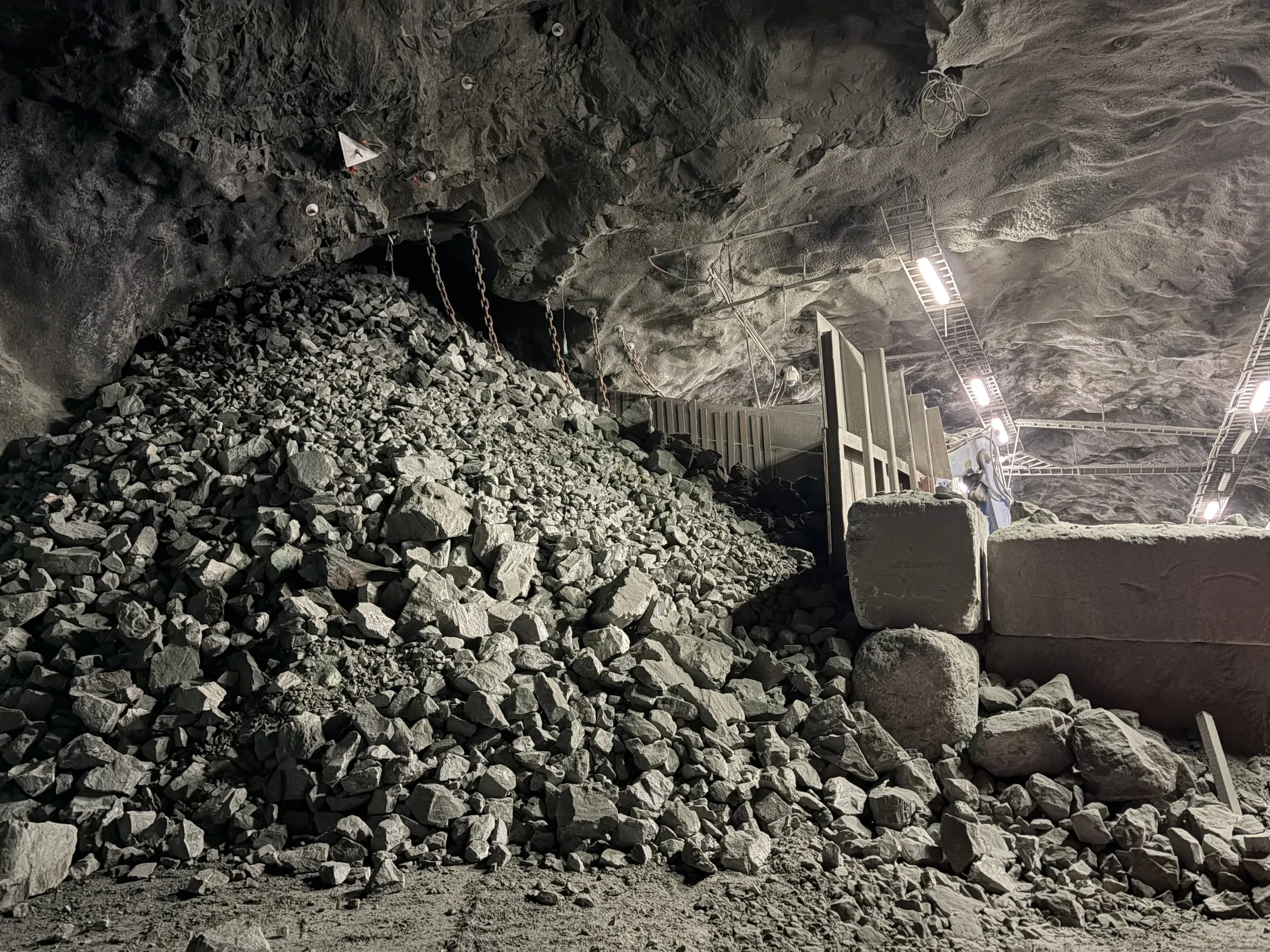
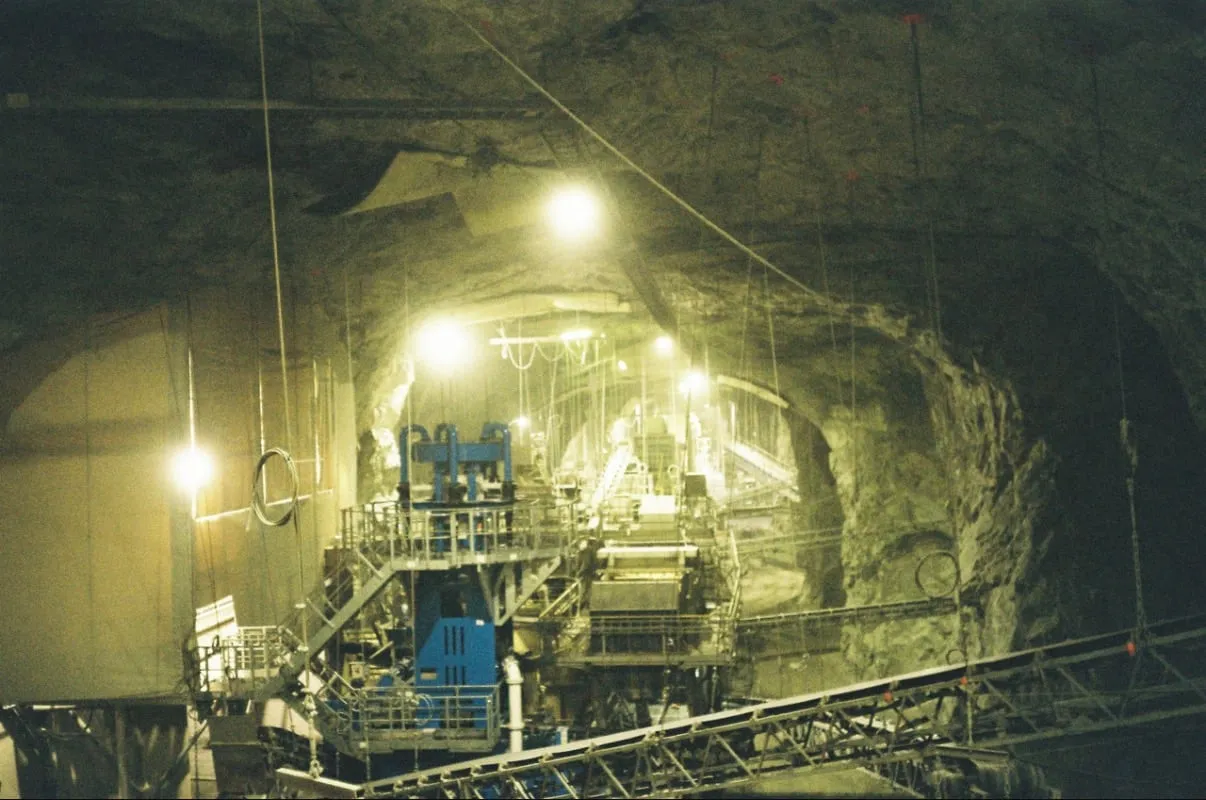
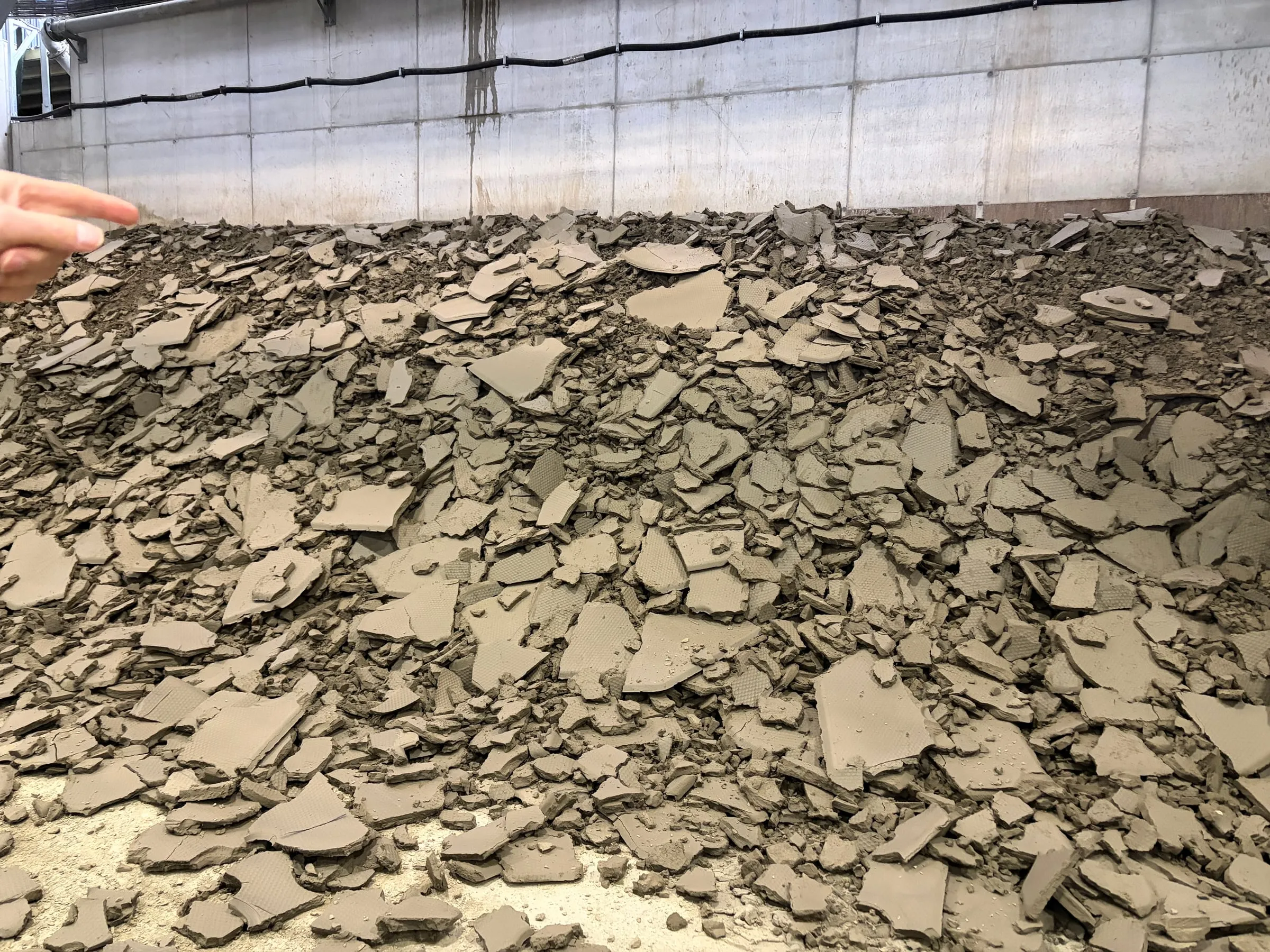
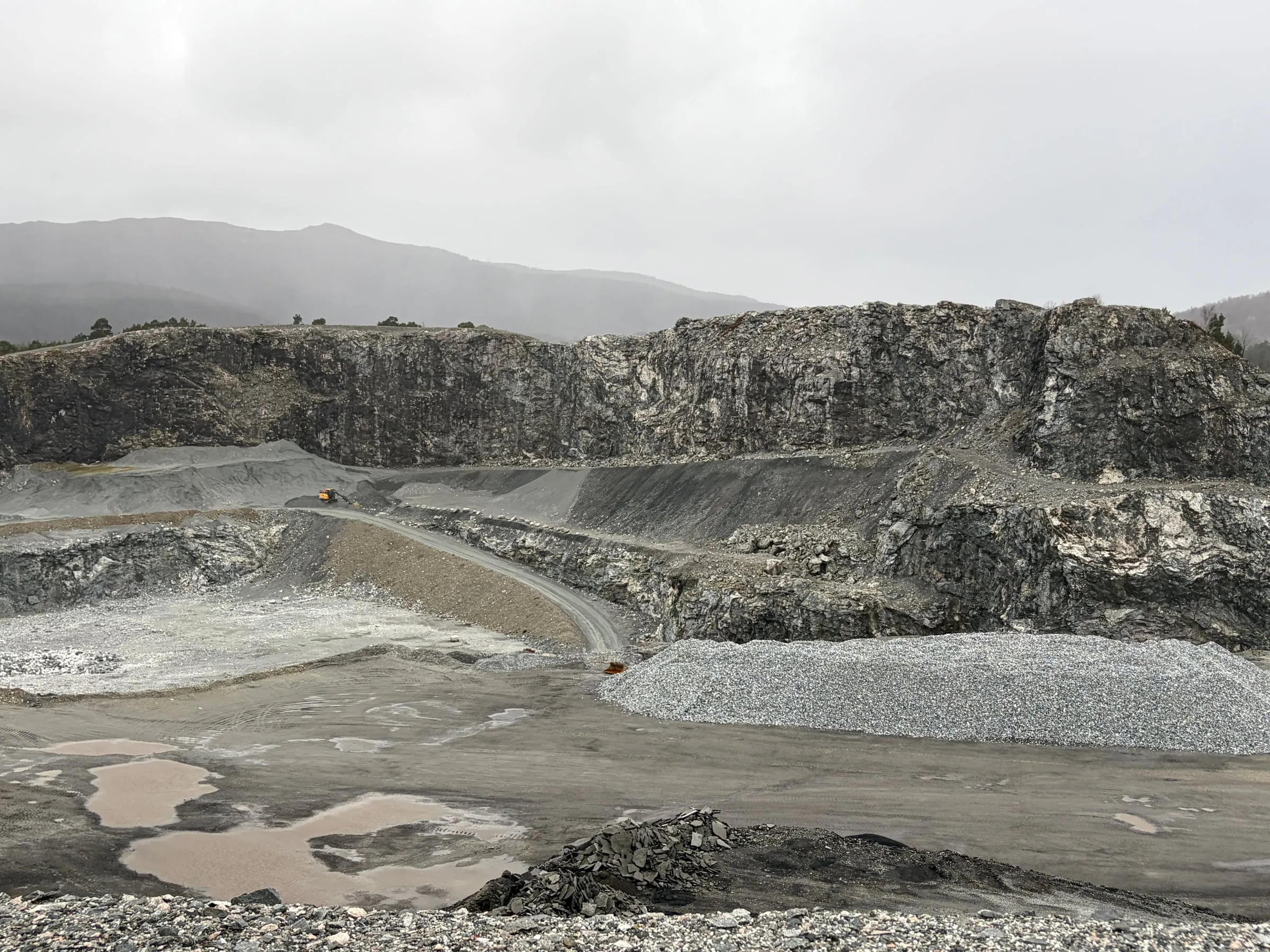
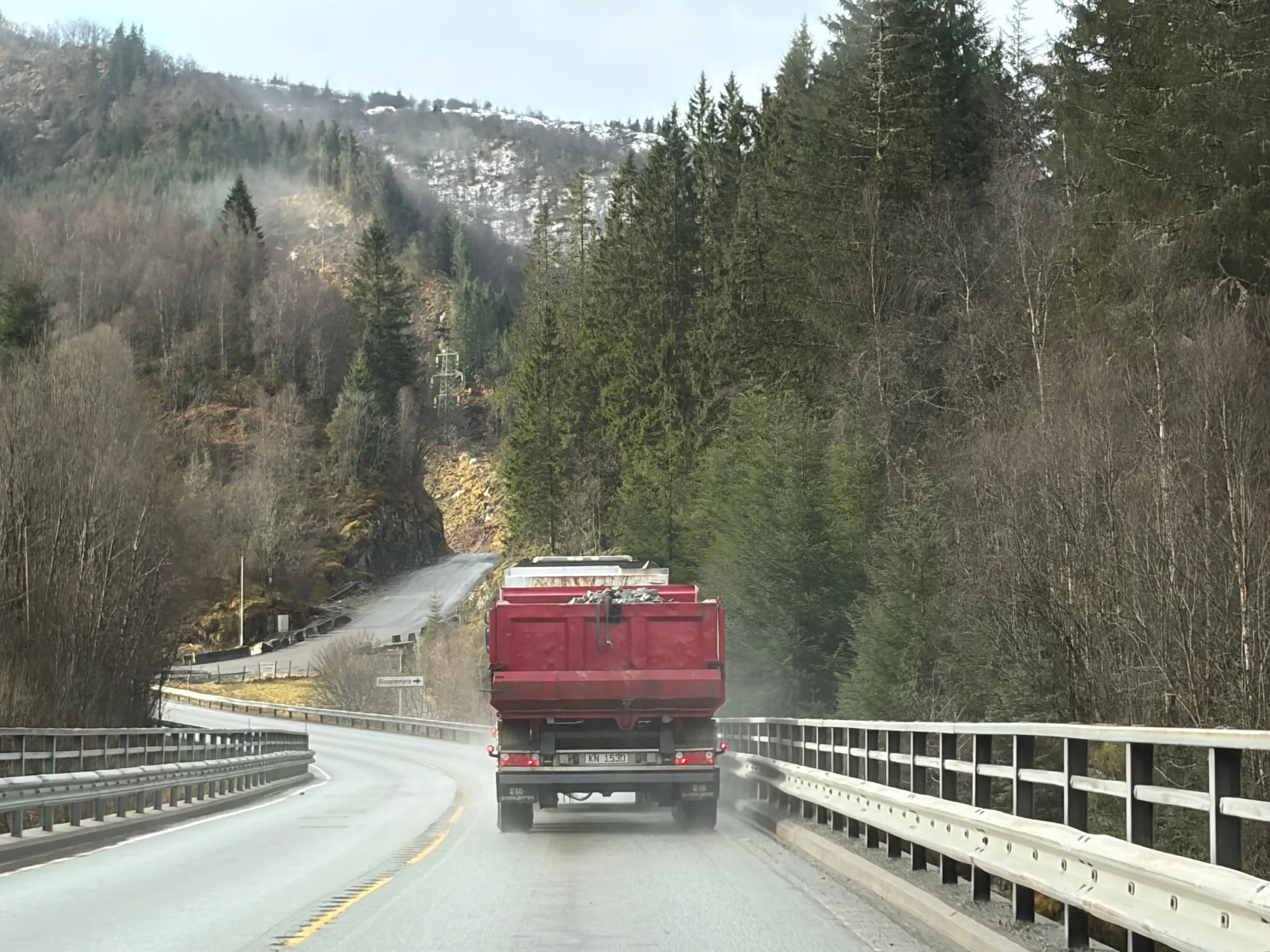
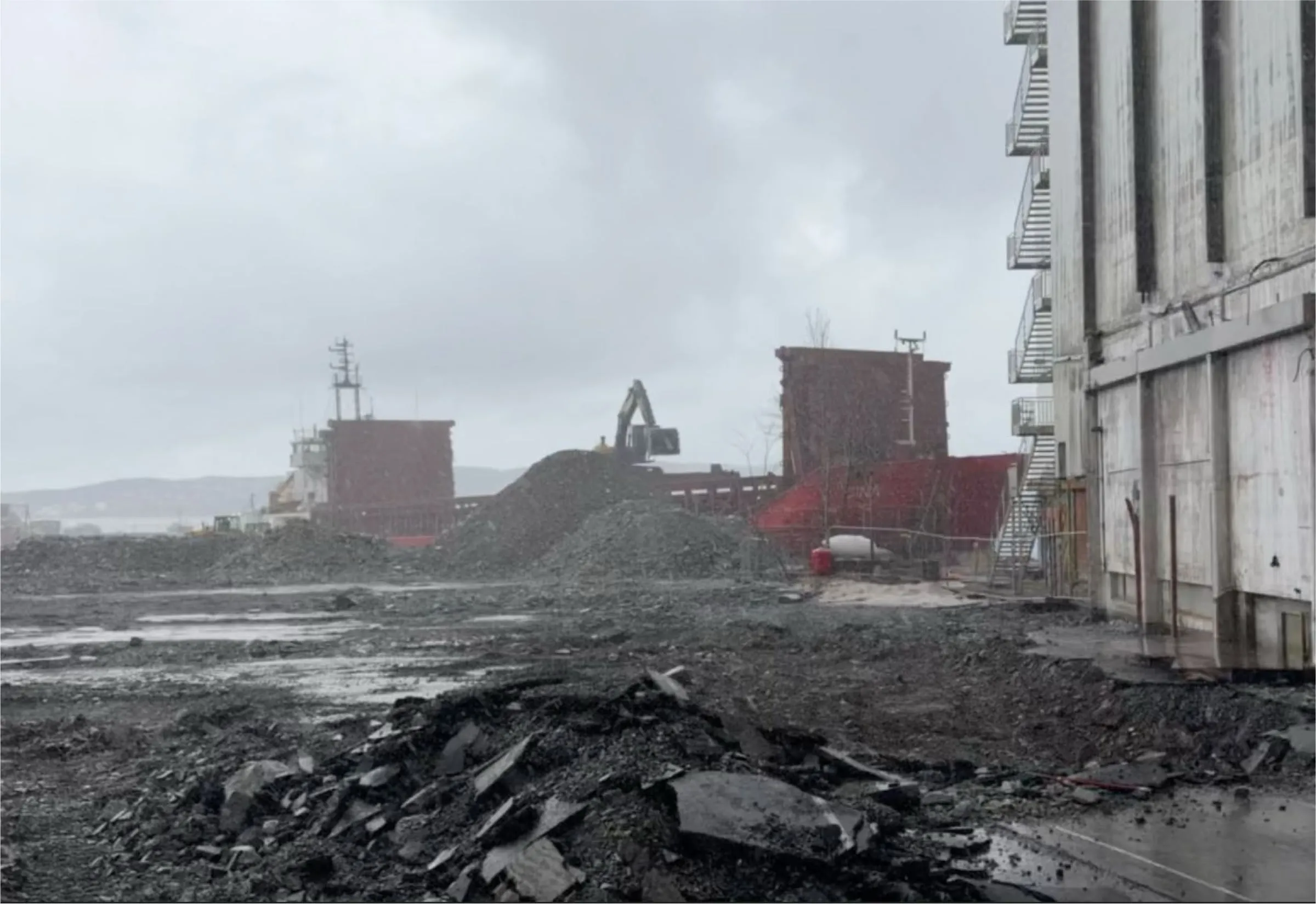
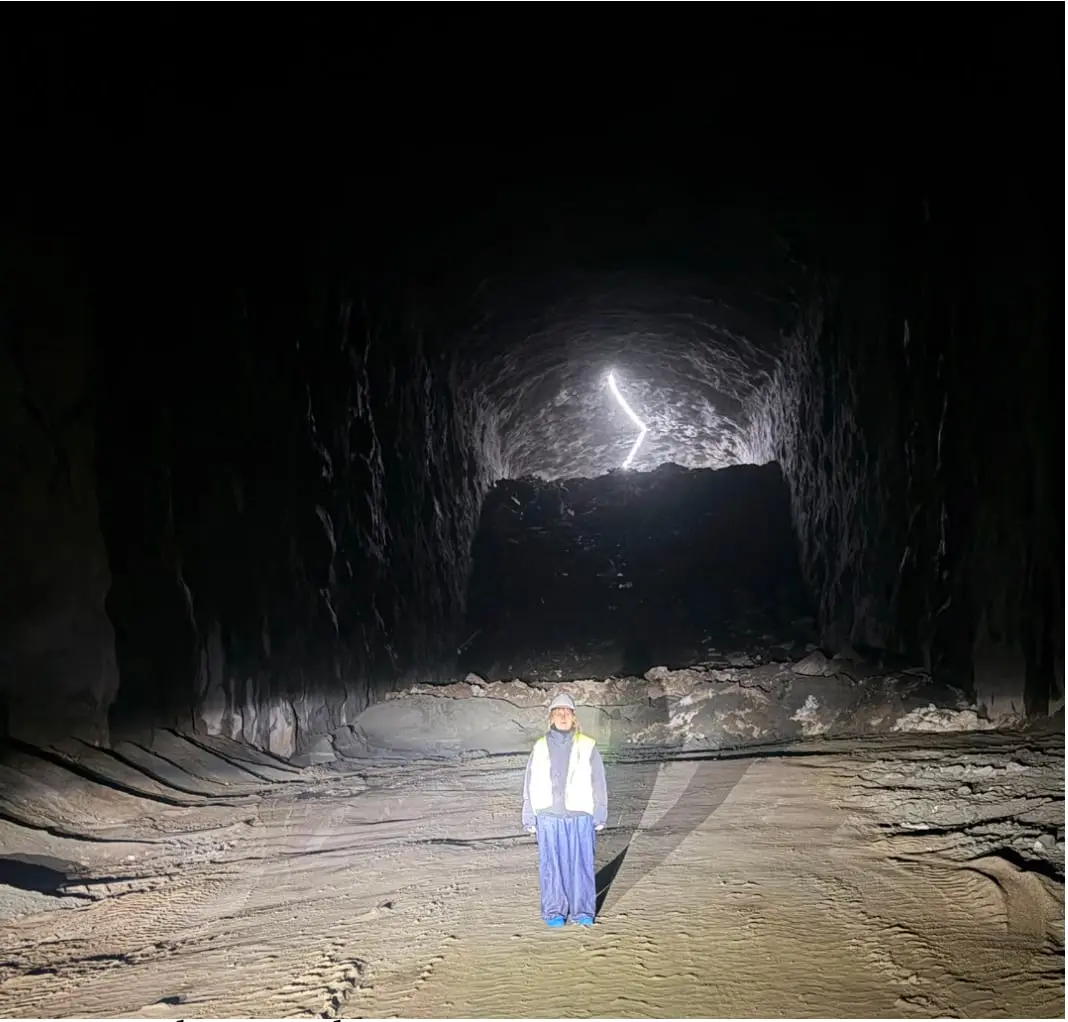
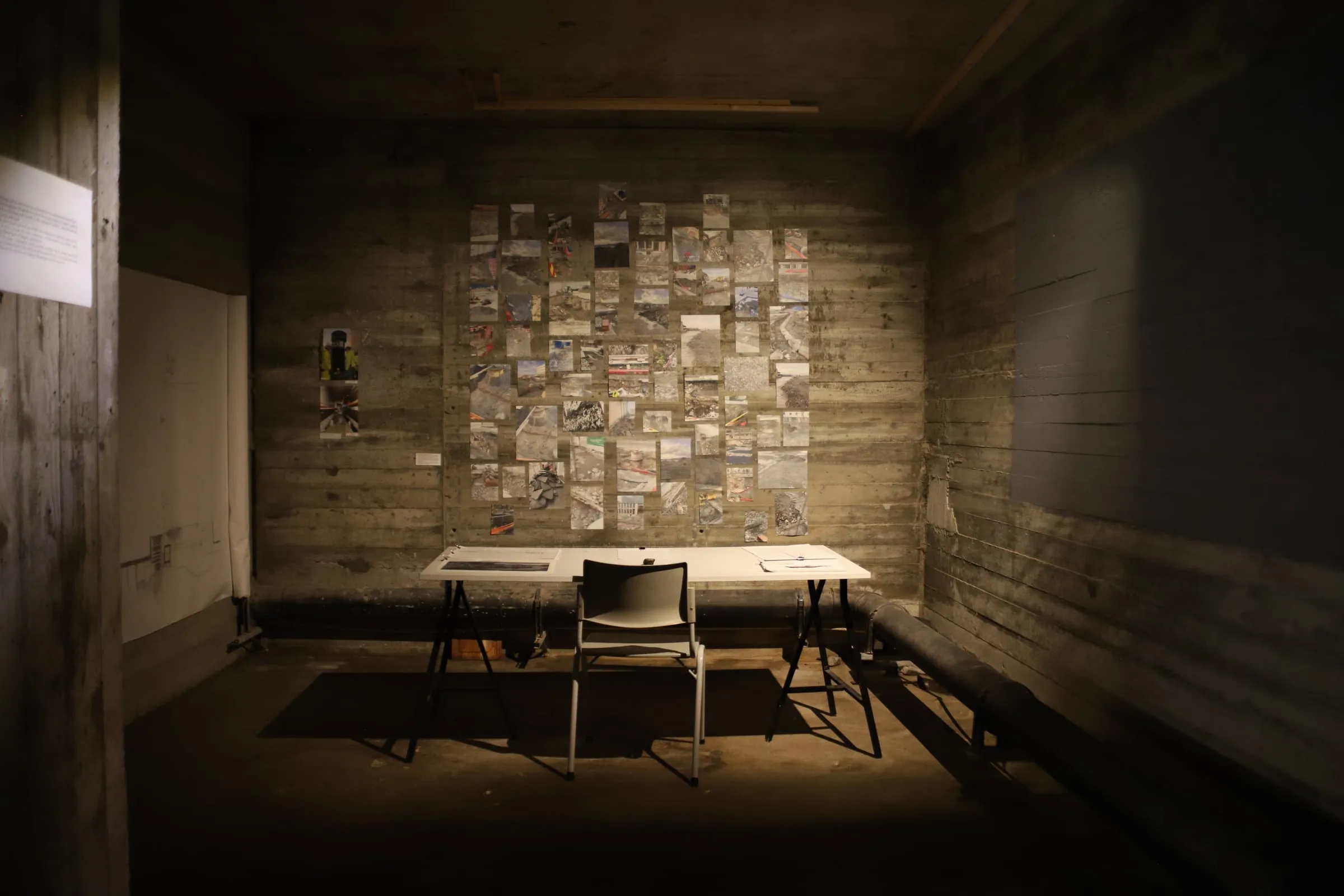
The research follows this movement through two quarries outside Bergen: Arna Steinknuseverk in Ytre Arna and Fana Stein og Gjenvinning in Stendafjellet. At both, stone is blasted out of the mountain and crushed into aggregate, and the halls left behind are filled with contaminated masses and debris from building sites. Through site visits, conversations, mapping and film I followed the stone from the mountain to the construction site, and back again.